

How to Use Medi-Cal Dental for Children with Disabilities
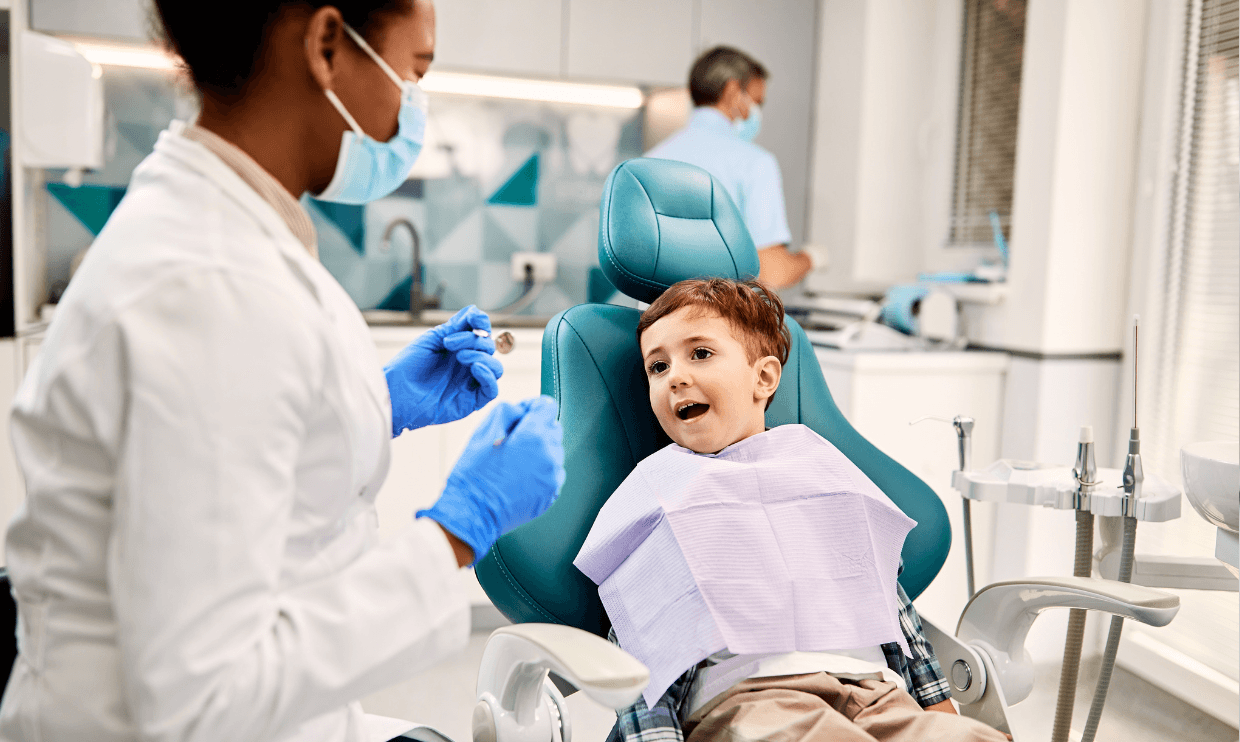
Who is eligible for Medi-Cal Dental?
If your child has full-scope Medi-Cal, then they automatically receive coverage under Medi-Cal Dental (formerly called Denti-Cal). Full-scope Medi-Cal includes the program’s full range of free or low-cost health coverage for medical, dental, mental health, and vision care. Children in foster care, former foster youth up to age 26, pregnant women, people who are blind or have disabilities, people 65 and over, and people who get CalWORKs or Supplemental Security Income (SSI) are typically eligible for full-scope Medi-Cal, along with those who qualify based on Modified Adjusted Gross Income (MAGI).
Your child could also be eligible for Medi-Cal Dental if they have Medi-Cal with a Share of Cost. If your child has emergency-only Medi-Cal coverage, then they will only qualify for emergency dental services (“treatments needed right away to stop severe pain or to diagnose and treat sudden serious medical problems”).
To learn more about enrolling your child in Medi-Cal if you haven’t already, check out our article Medi-Cal 101.
What does Medi-Cal Dental cover?
Medi-Cal Dental for kids ages 3–21 covers diagnostic and preventative dental hygiene services like teeth cleanings and X-rays, emergency services for tooth pain, fillings, root canals, crowns, and orthodontics for qualifying children.
For babies and toddlers under age 3, Medi-Cal Dental covers routine exams and treatments as well as emergency services.
For coverage at a glance, see this chart from Smile California:

In addition to routine exams twice a year, Medi-Cal encourages you to schedule dentist visits at these key milestones:
- Your child’s first tooth or first birthday, whichever comes sooner
- Your child is in their first year of public school (required by California law)
- Your child’s permanent molars come in (around age 6–7 and then 11–13)
- Your child is finishing high school (when wisdom teeth start to come in)
Note that Medi-Cal Dental typically only covers services provided in California. For dental work in other states, you will need to get prior authorization, unless it’s an emergency.
How to use Medi-Cal dental benefits
Once your child is enrolled in Medi-Cal, dental services are included. You do not need to apply separately for Medi-Cal Dental.
Your child will need to see a dental provider who accepts Medi-Cal Dental. At the time of service, present your child’s Medi-Cal Benefits Identification Card (BIC). Your dental provider can help you understand what exactly is covered for your child, such as how many free exams are included per year. They should also explain any services that are not covered by Medi-Cal Dental before you agree to them.
If your child has full-scope Medi-Cal, you will not have to pay for any services covered by Medi-Cal Dental. If your dental provider charged you for services that were supposed to be covered, you can request reimbursement. If you have Medi-Cal with a Share of Cost, your dental coverage is included in your monthly Share of Cost.
For more information, see the Member Handbook (available in 19 languages).
Tips for finding providers
Medi-Cal Dental will only cover services from a provider who accepts Medi-Cal.
Use the Find a Dentist tool on the DCHS website to see a list of providers near you who accept Medi-Cal. You can filter the results to see only providers who are accepting new patients. If you need assistance or interpretation services, or if you can’t find a provider near you, you can call the Medi-Cal Dental help line at 1-800-322-6384.
When you call a clinic or provider to see if they are accepting new patients, you can ask about their experience with kids with disabilities. A dentist or oral surgeon who has experience with kids with disabilities is more likely to have office staff versed in the process of funding specialized services through Medi-Cal.
For more parent tips, see our article 10 Tips for Making a Dentist Visit Easier for Kids with Disabilities.
Dental Managed Care Plan vs. fee-for-service
The majority of Medi-Cal enrollees in California have fee-for-service (FFS) Medi-Cal Dental. This means your dentist will bill Medi-Cal directly.
If you live in Sacramento County, you will be asked to enroll in a Dental Managed Care Plan, which handles billing. If you live in Los Angeles County, you can enroll in a managed care plan or keep fee-for-service. The main difference is that if you are in a managed care plan, you must see a dental provider who is in-network with your specific care plan. If you are in fee-for-service, you can see any provider who accepts Medi-Cal Dental.
If you live in San Mateo County and your child is enrolled in Health Plan of San Mateo (HPSM), your child’s dental care will also be managed by HPSM.
If you anticipate that your child may need specialized dental services from a hospital dental clinic (e.g. if anesthesia must take place in a hospital setting), you should inquire as to whether your hospital’s dental clinic accepts Medi-Cal Dental. At least some hospitals only accept fee-for-service Medi-Cal Dental. Note that Medi-Cal Dental fee-for-service and managed care plans are entirely separate from Medi-Cal fee-for-service and managed care plans for health care coverage.
Frequently asked questions about Medi-Cal Dental
What if I also have private dental insurance?
If you have private dental insurance, Medi-Cal Dental can be used as secondary insurance. Your dental provider will bill your private insurance first. Then, they will bill Medi-Cal Dental for the remainder of covered services. Medi-Cal Dental can cover deductibles and co-pays that private insurance does not. If you see a dentist who accepts your private insurance and Medi-Cal Dental, you should not have to pay any costs for covered services.
Does Medi-Cal Dental cover braces?
Braces are only covered for Medi-Cal recipients under age 21 for whom orthodontia is seen as medically necessary. This might include braces to treat malocclusion, cleft palate/lip, craniofacial anomalies, or other conditions that affect oral health. Talk to your dental provider about whether your child meets the criteria for medically necessary orthodontia. Your provider will likely need to take X-rays and/or dental molds to send in for approval from Medi-Cal Dental.
Does Medi-Cal Dental cover anesthesia?
A common concern for parents of kids with developmental disabilities is managing dental treatment when kids may need to be sedated during a procedure. Medi-Cal Dental covers IV sedation and general anesthesia for youth if medically necessary. (You can learn more in All Plan Letter 23-028.)
You will need to obtain prior authorization from Medi-Cal Dental for anesthesia, so talk to your child’s dental provider about documentation to show medical necessity. Undivided has a step-by-step walkthrough to help you coordinate all the necessary documentation, including expert tips from experienced parents:
Fund dentistry/oral surgery when my child needs anesthesia
How does my child’s coverage change when they become an adult?
California is one of the few states that provides Medicaid dental coverage for adults. As long as your young adult is eligible for full-scope Medi-Cal, they can continue to receive dental coverage. You can talk to your dental provider about whether they will continue to treat your child or whether they will refer you to an adult dentist. Learn more in our article Transitioning to an Adult Care Team.
Note that once your young adult is 21, there is an annual limit of $1,800 for Medi-Cal Dental services. However, medically necessary services are still covered. Note also that Medi-Cal Dental for adults covers one free exam/cleaning every twelve months instead of every six months.
Help with Medi-Cal Dental denials and complaints
If Medi-Cal Dental denies a service, you will receive a Notice of Action (NOA) with the reason why and instructions for what to do if you disagree. You can submit an appeal within 90 days through the normal Medi-Cal appeal process. Note that Regional Center might help fund dental services that have been denied by Medi-Cal if your child is a client.
If your dental provider submitted an authorization request that was denied, you can ask your dental provider to contact Medi-Cal Dental for a re-examination or new authorization request.
If you want to file a complaint about your dental provider, such as if they tried to charge you for Medi-Cal-covered services, you can do so here on Smile California.
Is Medi-Cal Dental coverage changing?
Beginning July 1, 2026, Medi-Cal Dental coverage for adults (age 19+) will change based on immigration status. Adults who do not qualify for full-scope Medi-Cal based on their “unsatisfactory” immigration status may only qualify for emergency dental services. You can read more about the change here on the DCFS website.
If your child is under 19, they will still be eligible for full-scope Medi-Cal and dental services regardless of immigration status.


Unlock more with Undivided
Turn knowledge into action that benefits your child
Get Membership


Author