

Physical Therapy IEP Goal Examples
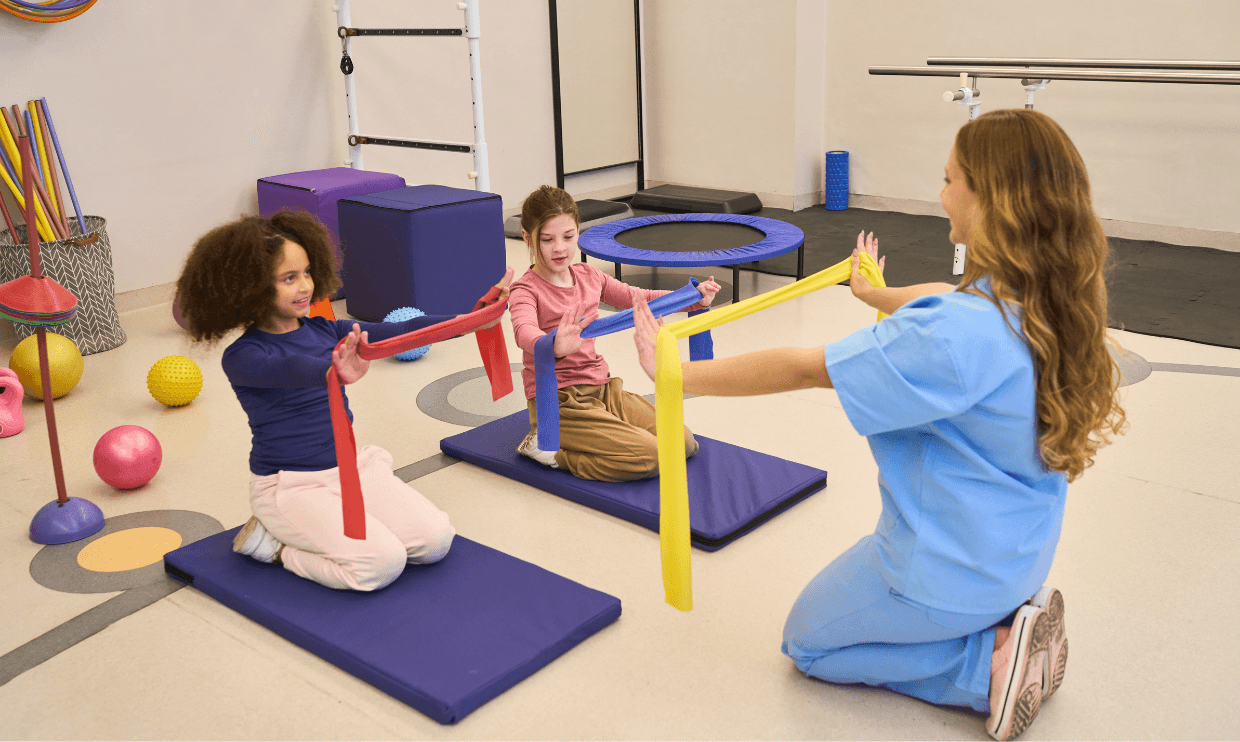
Example physical therapy goals in the IEP
Gross Motor/Access to Play
By [date], during playground activities, the student will independently climb the playground stairs using the handrail, demonstrating coordinated stepping and postural control, with no more than verbal encouragement, in 4 out of 5 observed opportunities, as measured by teacher and/or physical therapist observation and data collection.
Objective 1 – High Support
Within the first grading period, when provided with hand-over-hand assistance and physical support at the trunk or hips, the student will climb the playground stairs using a step-to or alternating stepping pattern, with adult support, in 3 out of 5 opportunities, as measured by observation and data logs.
Objective 2 – Reduced Physical Support
Within the second grading period, when provided with light physical assistance (e.g., steadying at elbow or shoulder) and verbal cues, the student will climb the playground stairs while holding the handrail, using a consistent stepping pattern, in 3 out of 5 opportunities, as measured by observation and data logs.
Functional Mobility/Access to Classroom
By [date], during daily classroom routines (e.g., moving between desk, carpet, small-group table, and classroom door), the student will independently use a walker to navigate the classroom, maintaining safe body positioning and appropriate pacing, with no more than verbal reminders, in 4 out of 5 observed opportunities, as measured by teacher and/or physical therapist observation and data logs.
Objective 1 – High Support
Within the first grading period, when provided with physical assistance for walker positioning and balance support, the student will use the walker to move between two classroom locations (e.g., desk to carpet), with adult assistance, in 3 out of 5 opportunities, as measured by observation and data logs.
Objective 2 – Reduced Physical Support
Within the second grading period, when provided with light physical assistance and verbal cues (e.g., reminders to align feet, slow pace, or position the walker), the student will use the walker to navigate between classroom areas, maintaining balance and safety, in 3 out of 5 opportunities, as measured by observation and data logs.
Endurance for low muscle tone
By the end of the IEP year, during typical school-day activities (e.g., moving between classes, participating in labs or PE-adjacent activities, standing during group work), the student will sustain functional activity without undue fatigue, by maintaining upright posture and task engagement for at least 15 consecutive minutes, without needing an unplanned rest break, in 4 out of 5 observed opportunities, as measured by teacher and/or physical therapist data and student self-report.
Objective 1 – Establish Baseline Endurance
Within the first grading period, with scheduled rest breaks and adult monitoring, the student will sustain functional activity (standing, walking, or active participation) for 5 consecutive minutes before requesting or requiring a break, in 3 out of 5 opportunities, as measured by observation and time-on-task data.
Objective 2 – Increased Duration with Supports
Within the second grading period, with planned rest breaks and verbal cues for pacing and posture, the student will sustain functional activity for 8–10 consecutive minutes, in 3 out of 5 opportunities, as measured by timed observation and self-report.
Write new Individualized Education Program (IEP) goals


Unlock more with Undivided
Turn knowledge into action that benefits your child
Get Membership


Author