

Top 10 Parent Tips for a Disability-Friendly Halloween
1. Plan ahead if your child has food restrictions.
If your child has a food allergy or sensitivity, or maybe they're a non-food eater or have a G-tube, you don’t have to forgo trick-or-treating! Navigator Erica says, “There are still ways to make trick-or-treating a fun and safe activity for your kiddo. One option could be to make a pre-made goodie bag and drop it off at your neighbor's house.” If your child has a favorite treat that’s safe to eat, you can bring it to houses where you plan to trick-or-treat — and get to know your neighbors if you haven’t introduced your family yet!
Even if your child can’t eat all the candy they bring home, it can be a fun evening. Public Benefits Specialist Lisa says, “My daughter has a feeding tube. When she can have some of the candy, we make a game of sorting out what she can have and what she can't.”
2. Swap out candy for prizes.
If your child wants to go trick-or-treating but you want to avoid candy altogether, think of something more motivating that your child could trade their candy for. Erica suggests, “You could do a little candy swap at the end of the night for a fun prize and donate the candy to somewhere like Ronald McDonald House or a similar organization.”
Lisa says, “We go to the Dollar Tree store or Five Below or something and get a bunch of little toys that she would like…She gets to dump them out at the end of the night and see what she got, and she has so much fun with it.”
Hear more of their ideas in this video:
3. Try trick-or-treating at home.
4. Ask what help your child needs.
5. Pay attention to their limits.
Stay flexible in your agenda for Halloween so that you can be responsive to how much your child can handle. Navigator Beth says, “Probably my biggest Halloween tip is to meet them where they are. Can they only do one block without being overstimulated and exhausted and overwhelmed and having a tantrum? One block is great if they feel okay. Never push it. Really pay attention and listen to them. My son tires out after a few blocks because the stimulation is too much, and I can tell, so we just go home. It's okay. If other kids are going on, that's okay. I think I've been able to safely avoid some pretty serious meltdowns.”
You can also bring items that will help prevent sensory issues from ending the activities before your child is ready to go home. Navigator Swati says, “Try to carry a fidget, your child's favorite toy, or headphones when you go so that they are not overwhelmed with the crowded place or the noise.”
Listen to Beth in this video, plus an extra tip from Navigator Gabi:
6. Incorporate a mobility device into their costume.
If your child uses a wheelchair or other mobility device, Halloween can be a fun time to show your creativity! Navigator Heather says, “My daughter has cerebral palsy and uses a wheelchair. What we like to do is decorate the wheelchair ourselves. Some companies sell pre-made kits that you can buy, and if you can find one that matches your costume and fits what you're going for, that's a great option. For us, we usually try to pick something that is a little bit unique. Whatever you choose to do, just have fun with it. Let them decorate their wheelchair and make it part of their costume, and you can't go wrong.”
Hear some of her ideas in this video:
7. Make sure to get a comfortable costume.
“Stay away from all those clothes with tags for scratchy material,” says Swati. “No matter how beautiful they are, if the kids are not comfortable, they're not going to wear it.”
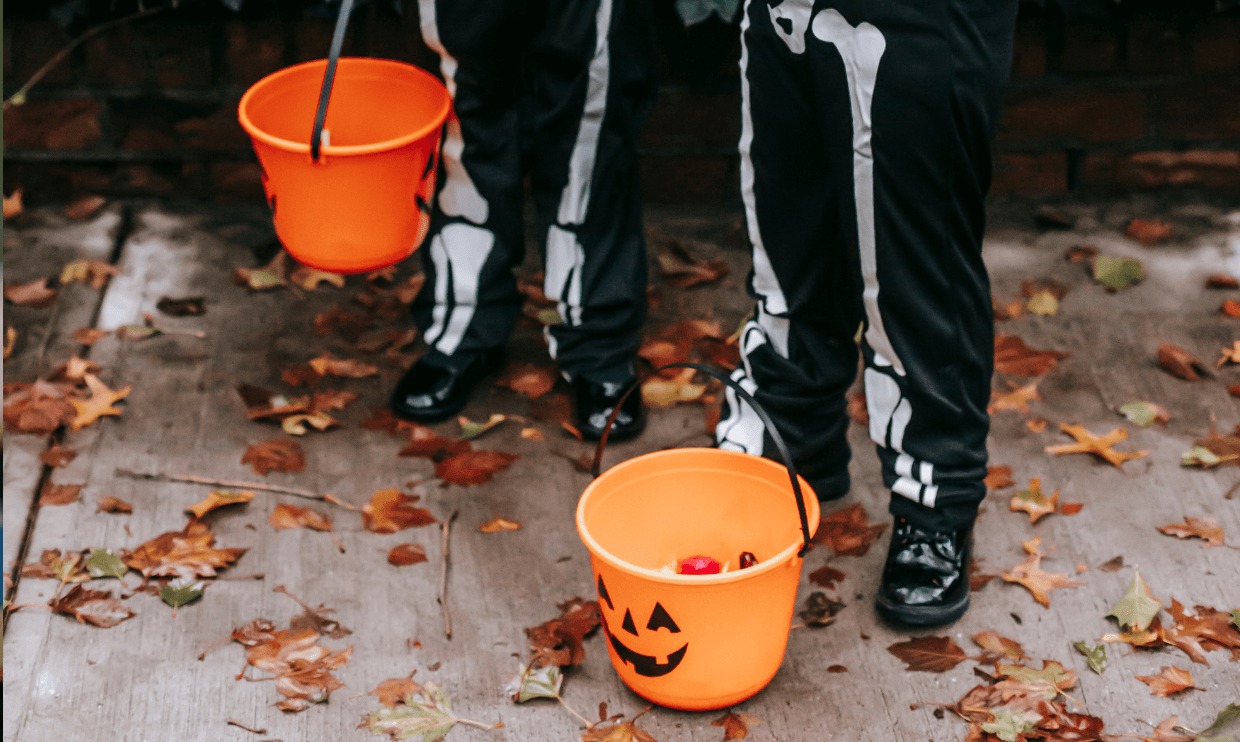
Navigator Kelly has a fun idea for an alternative to restrictive costumes: “One thing that really worked well for my kids when they were younger is getting Halloween-themed pajamas. Both of my kids went as skeletons more than once, and they just wore those really comfortable pajamas with long sleeves and long pants. They looked super cute, and they were really comfortable.”
8. Or rethink costumes entirely!
9. Invite them to help you hand out candy.
10. If you have a teen, ask how they want to participate.
We know that not all teens feel the same way about continuing to trick-or-treat, so talk with them about local activities they might be interested in. Jen says, “It's good to look for alternative events for that your teen likes, such as pumpkin patches, trunk or treats, or church or community centers.”
Jen continues, “If your teen still likes to trick or treat, I would suggest maybe making a sign or a T-shirt that explains a little bit more about their disability. For example, in my son's case, I would say something like, ‘We have Fragile X. For more information, visit our national website. Thank you for being kind and for being patient, and have a happy Halloween.’”
For more tips from experts and fellow parents in the Undivided community, check out our article Creating a More Inclusive Halloween Experience.
Want to learn more about what Navigators do for fellow parents of kids with disabilities? Watch this quick video:


Unlock more with Undivided
Turn knowledge into action that benefits your child
Get Membership


Author