

Pediatric Developmental Trauma 101
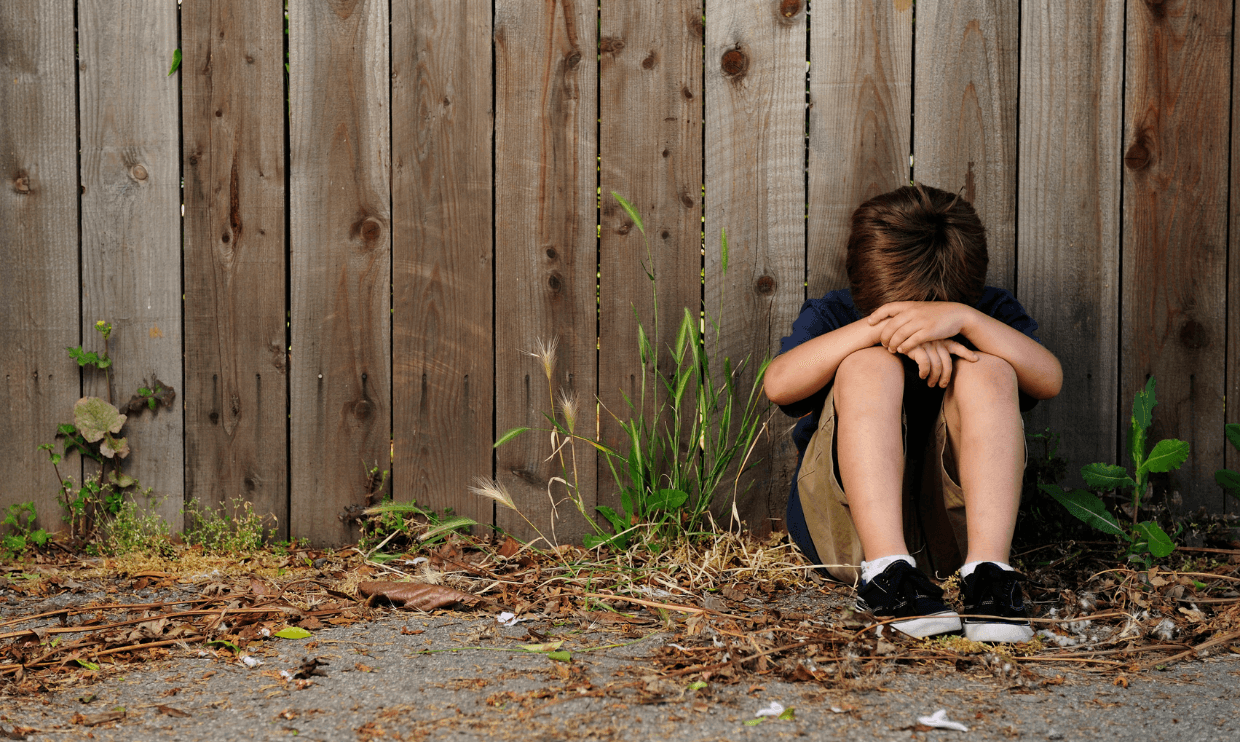
In recent years, “trauma” has entered public conversation as a legitimate and life-changing experience that warrants research, examination, and treatment; books, podcasts, and even social media trends like “trauma candy salad” have helped society at large recognize the many ways people experience trauma and the lasting effects trauma has on a person if it goes unaddressed.
Enduring trauma experienced in childhood is called developmental or complex trauma, and few families have the resources and understanding to recognize it and support their child. Even those that do may find complex trauma changes children on a molecular level, which can manifest throughout a person’s life, and with it a number of challenges to their emotional, biological, and social wellbeing. When coupled with a disability, particularly an intellectual or developmental disability, these challenges intensify, often in ways families, schools, and medical professionals don’t recognize as such.
To help us better understand complex trauma, how it can affect behavior, school performance, and even biology — and how to support children with a disability-informed lens, we spoke to a range of experts: Daniel Hoover, PhD, clinical child and adolescent psychologist at the Center for Child and Family Traumatic Stress at Kennedy Krieger Institute and associate professor at the Johns Hopkins School of Medicine; Karen Yingling, parent advocate at Advocacy for Connected Education and parent of children with complex trauma; Kelly Rain Collin, EdM, educational consultant and founder and director of Healthy Minds Consulting; Emily J. Aron, MD, child, adolescent, and adult psychiatrist, associate professor of clinical psychiatry at MedStar Georgetown University Hospital, and founder of Looped-In Parenting; Margaret Blaustein, PhD, clinical psychologist, founder and director of the Center for Trauma Training, and co-creator of the ARC framework; and Kristine Kinniburgh, LCSW, director of the Trauma Services for Justice Resource Institute and co-creator of the ARC framework.
What is complex/developmental trauma?
It may sound cynical, but almost no one goes through life without experiencing at least one traumatic event, whether it be caused by someone else, from witnessing something, or from making a choice with unfavorable results. Trauma might be a result of going through a divorce, getting in a car accident, experiencing domestic violence, being part of a natural disaster, or experiencing a global pandemic like the COVID-19 virus. Exposure to trauma, sources say, is common, but the silver lining is that many people are not terminally impacted by their trauma and can lead healthy lives.
“Trauma is a word that’s being used in a lot of different contexts these days in our society, and maybe a little loosely at times,” says Dr. Hoover. He adds that many people talk about “everything being traumatic,” when referring to a specific experience, rather than a spectrum of traumatic experiences in childhood that are both more intense and more long-term. Interventions for people with complex trauma must similarly reflect the individuality of their experiences.
Developmental trauma vs. a traumatic experience
Developmental trauma, more specifically called pediatric developmental trauma and complex developmental trauma, reflects an enduring traumatic experience or multiple experiences in childhood that are both more intense and longer term. (It may also be referred to as developmental trauma disorder, but we will not be using that term in this article.)
Dr. Hoover adds, “Complex trauma is an experience [or] a set of experiences that often occur for children who are very young, [or] recurring traumatic experiences across time. Having a traumatic life with repeated things like abuse, neglect, bullying, painful medical experiences, and intrusive pain can have an even more long-standing and impactful effect on the person’s personality, lifestyle, and adjustment to the world.”
Another big distinction between a traumatic event and complex childhood trauma is that the latter has the potential to alter a child’s brain chemistry and even influence the expression of their genes. By definition, Kinniburgh says, complex trauma refers to early exposure to extreme stress that subsequently alters the child’s developmental trajectory. This happens, in many cases, before the child can verbally express themself, but can also occur in-utero when an unborn child is exposed to chronic maternal stress and/or substances like drugs and alcohol that can alter fetal development. We will delve into more detail later about how developmental trauma impacts the way our genes are expressed (epigenetics) and a child’s health in the long term.
What causes complex trauma?
In a nutshell? Lots of things. Complex trauma is defined and stands apart from simply “trauma” due to its intensity and longevity. As we noted above, trauma can start in the womb if the fetus is exposed to drugs or alcohol or if the mother and baby have a traumatic birth. Trauma can come from certain event markers, called Adverse Child Experiences (ACEs) like poverty and resource scarcity, a severe illness, neglect, physical, sexual, or emotional/verbal abuse. But it can also come from less acute sources and experiences. It can come from intergenerational trauma that a caregiver hasn’t worked through, household dysfunction, an unsafe environment like a child’s neighborhood or school, and even broader experiences like military conflicts or mass disease.
In this clip, Dr. Blaustein explains the nuances of complex trauma for children:
Adverse childhood experiences (ACEs)
Our development, Dr. Blaustein and Kinniburgh say, is a reflection of how our genes, environment, and life experiences all interact. Both positive and negative experiences can influence our biological functions in addition to our worldview, coping strategies, and vulnerability to traumatic stressors and co-occurring conditions. As we stated earlier, the experiences and living conditions that may contribute to complex developmental trauma are referred to as ACEs. Per the CDC’s definitions, ACEs are events that occur to or around a child before they reach adulthood that could impact their mental and physical health.
Examples include:
- Experiencing abuse, whether physical, verbal, emotional, or sexual
- Experiencing neglect from family and/or caregivers
- Witnessing abuse or violence, whether in the home or in the immediate community
- Living in poverty, which can also extend to lack of access to food and/or housing instability
- Spending time in foster care, including multiple placements in foster care
- Experiencing the death, disappearance, or incarceration of a loved one
- Growing up in a household where a family member may have a mental health condition
- Growing up in a household where a family member may have a substance abuse condition
- Being exposed to drugs and alcohol
- Being a victim of bullying
ACEs are also incredibly common — more than 75% of American children have experienced at least one, and around 20% have experienced more than three. While ACEs impact children’s well-being and development when the event occurs, they can also have lifelong consequences (more on this later).
“There have been a number of studies about how if you have a cumulative number of those ACEs in your childhood, you’re more likely to have illnesses like cancer or high blood pressure or diabetes and other things you wouldn’t even think were necessarily connected,” says Dr. Hoover. “Especially if you’ve had three or four major ones.”
How trauma and ACEs can affect gene expression
The compounding of trauma and multiple ACEs can not only “rewire” a child’s brain in terms of mental health, but also can have ramifications on a child’s gene expression. While trauma cannot directly change a child’s DNA, the chemical processes that trauma creates on a young, plastic brain (called DNA methylation) can create long-term health effects for the child that do not appear to directly relate to their complex trauma or their disability. Epigenetics may sound like a complicated scientific term, but the idea behind it is actually pretty simple. While genetics focuses on the genes we inherit, epigenetics looks at how our environment and experiences can influence how those genes work. In other words, our genes are not always “fixed” — certain experiences can affect whether some genes are more active or less active over time. In other words, Dr. Hoover says, “it changes the genetic code.”
Research shows that early childhood experiences and environments can play a role in how genes are expressed. Things like safety, connection, love, stress, and trauma may influence how the body and brain develop, even without changing a person’s actual DNA. This is one reason why epigenetics is often discussed alongside ACEs. These changes can also create genomic changes that adults may later pass down to their children, even if the child hasn’t had the same ACEs or exposure.
How ACEs intersects with other disabilities and conditions
The relationship between trauma and certain disabilities is still a “chicken or the egg” situation, Dr. Hoover says. “There has been a growing attention to this in the research literature. Is it early adversity or trauma that causes autism or a neurodevelopmental disability, or is it a neurodevelopmental disability that leads the person to be more likely to get traumatized later? Or are they affecting each other? But the evidence is not completely in yet about exactly how it works or what causes what, but they do tend to go together.”
For children who have FASD, the two intertwine very closely. Research shows that children with FASD have high rates of ACEs which are associated with a wide range of health outcomes including difficulty with behavior regulation. Children and teens had an average of 3.10 ACEs (e.g. lived with a household member with a mental health disorder or followed by living with a household member with a substance use disorder) — higher compared with individuals with other disabilities or in the general population.
Alcohol exposure in the womb creates neurological and social-emotional differences from birth, the full effects of which won’t be seen for years. Per Dr. Aron, “That leads to this constellation of symptoms that can include autism and other mental health disorders” while also impacting the child’s long-term health, vulnerability to other diseases, and some of the same scopes of trauma, like behavior regulation and attachment.
Dr. Aron adds, “On the molecular level, trauma is a brain responding to outside stressors.” The brain becomes flooded with chemicals that alter its structure through the process of methylation. “It can also have direct anatomical impact on the brain, and then the way that those [neurons] operate. When you have overwhelming stress or trauma, you’re kind of scarring the DNA.” This scarring, which is unique to every child’s experiences, creates the subsequent “constellations” of trauma symptoms that impact the child across multiple spheres of health.
What if trauma is caused by a sibling who has extreme behaviors?
Unfortunately, the people meant to love and protect a child unconditionally can also contribute to their trauma, both acutely and in the long term. As we described in our section about ACEs, a dysfunctional household and abuse by a family member can impact children from a young age, and that family member can sometimes be a sibling. Research hosted by the University of New Hampshire’s Sibling Aggression and Abuse Research and Advocacy Initiative indicates that abuse from a sibling, whether intentional or not, can sometimes have the same impact as abuse from an adult and often isn’t categorized as such; in fact, it may be the most common type of violence within the family.
Sources interviewed for this article want to emphasize that, as with any form of trauma, the traumatized child’s safety is paramount to begin any effective therapy. It’s also important to note that the child with extreme behaviors themself, having grown up in the same household, has had exposure to the same set of ACEs as their sibling, and their extreme behaviors may result from their own coping mechanisms.
Interventions for sibling trauma
There is no objective way for families to “solve” this situation, but changes and boundaries may need to be made and set to make sure each child has the means to form safety and trust within the home. This can involve a number of temporary or long-term interventions that will involve more than just the child with trauma; UNH has a number of tips and insights to help parents find the right therapist to address the needs of everyone in the family. The right fit not only should have trauma-informed training, but should be able to adapt their methods to the family’s unique dynamics and provide affirming insights throughout the process.
“Before you start any kind of treatment, you need to make sure that the child is safe. If the trauma is ongoing, it’s going to be very hard to treat,” says Dr. Aron. “In situations when a sibling is the person that’s perpetrating the trauma, that is a very tricky situation, probably beyond the scope of this conversation, but that’s a huge challenge for families, and there does need to be some way to address the safety of the person who’s experienced the maltreatment. You can’t really start treatment if the trauma is ongoing.”
Common signs of trauma in children
Understanding the full scope of complex trauma on children is still a work in progress, though multiple research sources indicate that huge improvements in recognizing signs of trauma in children have been made in the twenty-first century. Children who have experienced trauma may exhibit many of the signs of adults with trauma, including “persistent and intrusive thoughts, hyperarousal (i.e., heightened startle in response to unexpected sounds or movements), deliberate avoidance of trauma reminders, and alterations to conscious awareness (i.e., dissociation, derealization, and depersonalization),” per research in Frontiers in Psychiatry.
However, complex trauma coupled with ACEs creates an even more layered impact on the child that also influences their development across biological, social, academic, cognitive, emotional, and even spiritual spheres.
How does trauma affect children?
In this clip, Dr. Aron describes the nuances of complex developmental trauma for children with disabilities.
The last 20 years have seen a huge uptick in research and understanding of trauma and how it impacts children, both with and without disabilities. Researchers now recognize how trauma uniquely affects children; a 2003 article in the Journal of Psychiatric Practice states that trauma often has lasting effects on children, which are compounded by a lack of recognition and research. Trauma can change anyone who experiences it to a certain degree; Yingling gives an example that a certain time of year tied to a family member’s death can cause negative emotions to surface around the same time even years later. Trauma can also manifest in relation to location, such as a person avoiding the place where a traumatic event took place or places similar to that location.
For children who have experienced complex trauma, their trauma can manifest across many developmental spheres. As Dr. Hoover explains, “If the trauma occurs during early developmental windows in the child’s development, like in infancy and toddlerhood, it can shape very basic executive functions and other adaptive functions that a child is developing, like attention, memory, cognition, organizational abilities, and even self-regulation. Even for children who have pre-existing evidence of neurological differences, like cognitive differences or autism, the impacts of having traumatic exposures or adverse exposures are multiplied . . . this snowball effect of one causing the other and the other causing the next, and then it grows into something that can be far-reaching in terms of the child’s ability to function in the world.”
They do not have the skills, the strategies, or even the brain development to cope with what they’ve experienced. Additionally, because they may lack the language to understand trauma and by extension the ability to articulate their feelings to the adults in their life, their trauma may go underserved.
As Dr. Blaustein explains, trauma also does not necessarily always follow the neat lines of a clinically defined experience for children. “All of us engage in the world in a way that is influenced by our biology, by our temperament, by our experiences, by our environmental influences,” she says. “It’s really easy to try to narrow down the reason for a behavior or the reason for a response to a singular thing; as human beings, we like things to make sense. We want a single explanation, but we’re more complicated than that as human beings.”
Letting go of this need to find a clear-cut cause and effect allows the child and everyone in their life to see the depth of the child’s needs for what they are and begin moving toward effective and holistic treatment.
Trauma in kids doesn’t always look traumatic to adults
Every generation comes of age under evolving principles, laws, and social norms. For example, what might have been considered regular discipline for parents, such as spanking, is now perceived as a form of physical abuse. This can also apply to factors in a child’s environment, as new research indicates that children who haven’t experienced an acute traumatic event can still experience trauma — for example, if they grow up in poverty or lack consistent access to housing or food.
When it comes to recognizing trauma in children, Dr. Blaustein says that the adults in their lives must be willing to look beyond their preconceived notions. “I think one of the mistakes, if I can say that, that our field has made is trying to capture trauma in very specific buckets,” she says.
Categorizing certain experiences as traumatic versus stress or even not traumatic at all puts objective parameters on very subjective experiences. “From our perspective . . . it’s developmentally bound, which means that what I experience as an overwhelming stressor that maxes out my coping resources, that leaves me feeling intensely vulnerable, that leaves me overwhelmed, that leads me looking for safety, [versus] what a three-year-old experiences in that way, [versus] what a three-year-old in foster care experiences in that way, are all going to be different things.”
The child’s age and development state, Dr. Hoover adds, can also overshadow what the child may be expressing as their trauma response and need for attention and regulation by an adult. A preschool-aged child’s overstimulation and anxiety may just be seen as a standard tantrum without looking into its specific trigger, or an inability to do homework and focus in class may look like a learning disability while its stressors go unaddressed.
As Dr. Aron says, parents, caregivers, and other adults in a child’s life need to be willing to adapt their perspective and accept new ways of understanding trauma. “You really want an adult caregiver that is supportive and trusted, so any kind that can participate and be kind of a witness to helping the child express in whatever way possible what’s happened to them and be validated. There are lots of different kinds of ways to treat trauma, but no matter which one you choose, a caregiver [should be] present and supporting.”
How can trauma manifest in children?
At the most overt level, Dr. Hoover says, “Symptoms can be a range of things. It can be self-harm, it can be aggression, it can be emotional dysregulation, it can be not eating, not sleeping. It can be all of those things. And then we’re looking at the frequency of those problems and the intensity of those problems, and how much it interferes with [a child’s] ability to go about their daily life, at home and at school or other activities that they’re involved in.” Each of the developmental domains mentioned above has its own set of signs and symptoms, some of which may not be immediately recognizable as trauma if a co-occurring disability is involved.
Biologically, children may have trouble with fine motor skills and aspects of somatic regulation, like deep, even breathing, muscle relaxation, and connection with their environment. The extent of their trauma may also impact epigenetics, the “external or environmental factors that switch genes on and off and affect how cells read genes instead of being caused by changes in the DNA sequence,” or simply, the way your behaviors and environment can cause changes that affect the way your genes work. Some common biological and physiological symptoms include poor sleep patterns, consistent migraines or stomachaches, and bed-wetting.

On an interpersonal and social level, children who have experienced trauma may struggle when trying to form healthy attachments and navigate relationships — for example, they may distrust others or not recognize the emotional state of others. Their academic performance may suffer due to an inability to focus, developmental challenges with reading and processing, and problems with planning. Complex trauma can also make children more vulnerable to developing mental health conditions such as anxiety, depression, psychosis, and substance use disorder. Dissociation and poor self-image are also common indicators.
Dr. Hoover adds, “[Signs] may include things like extreme sensory experiences or events that might be interpersonal or might break up their schedule and become really alarming because of a change in caregivers or requirements. And sometimes kids with these developmental [conditions] might perceive [certain] things as being very traumatic, like switching to a new classroom, or having a new teacher yell at them, or something that others might not perceive [as traumatic].”
Signs may look different depending on the child’s communication and support needs
Just as there can be diagnostic overshadowing when seeking a clear diagnosis of developmental trauma, how it manifests might not always be obvious. Some signs of trauma, such as regression in developmental skills, oppositional behavior, and intense behaviors, may not appear directly related to the child’s experience.
“They may have memories about what happened that keep recurring in the form of dreams or dreaming about the event or memories that keep becoming a distraction and coming back into their minds. Trauma is often accompanied by avoidance of similar people, places, or events that could have brought on the trauma in the first place,” says Dr. Hoover. “Another one is having a sense of physiological arousal, like fast heartbeat or high blood pressure or stomach upset or sickness. In fact, that can come when you remember what’s happened from the trauma. . . . Another one is having a sense of sadness, like persistent depressiveness or anxiety, and a feeling that the world is not a safe place or people may not be safe in general.”
Trauma and its stress on caregivers
Dr. Blaustein, Dr. Aron, Dr. Hoover, and Kinniburgh all implore the parents and caregivers in a child’s life to recognize that they themselves may also have unaddressed trauma or stress that impacts them while raising their child and witnessing the impact of their traumatic experiences.
“It can be quite traumatizing for parents to watch that,” says Dr. Hoover, “so taking care of their own reactivity and their own traumatic experiences” is more impactful on the child than they might initially realize.
Lack of care and attention paid to caregivers, Dr. Aron adds, can actually worsen the treatment outcomes for the child. “Caregivers who are caring for children with developmental delays, there’s never a doubt that they love their children. But there’s high caregiver stress, high caregiver burnout, and a lack of support. So when caregivers don’t get the support that they need, they have their own dysregulation, and that can sometimes spill out into maltreatment of younger children. Caregiver support is really key to make sure that they’re able to [provide care] because their presence is really so important for the development and outcomes for children to be able to thrive, no matter where they start early on.”
Is trauma something a person can overcome?
Yes, but it won’t happen as quickly as many families may want. Trauma in the broader sense can be overcome to a degree and managed with the right treatment plan. Complex trauma, as discussed, essentially rewires a child’s brain over time; it takes a long time to adapt and maintain a new system for engaging with themselves and the world around them. Simply talking it out with a therapist or taking medication won’t serve that child in the long term.
When it comes to overcoming complex trauma, Dr. Aron says, “what we know works is creating a space to talk about what happened and know that you have these caregivers who validate you and can support you and help you meet your developmental needs so that you can talk about things that maybe were hard to talk about before.”
Developmental trauma and co-occurring disabilities
Every child can experience trauma, regardless of their environment, socioeconomic class, household dynamics, and pre-existing conditions. But Dr. Aron and other sources say children with disabilities are particularly vulnerable to traumatic events. They are twice as likely to experience violence; a research analysis by Columbia University indicates that about a third of children with disabilities face either physical or emotional violence, around 40% face some form of bullying by peers, and 1 in 10 experiences sexual violence.
As we discuss more in-depth in our article Mental Health for Kids with Disabilities 101, many disparities and misunderstandings in addressing and supporting the mental health needs of children with disabilities endure to this day. Focusing solely on a child’s disability as the source of signs of mental and emotional challenges — be it depression, anxiety, or stemming from complex trauma —makes it harder for the child to receive the supports and services they need to thrive. As we write in the article, “Studies show that our kids are actually at an increased risk of mental health issues and are more susceptible to the risk factors for suicide, such as increased traumatic experiences, bullying, social isolation discrimination, and an inability to regulate and express their feelings.”
Trauma in children with IDD
Disability and trauma do not necessarily cause each other, but they can influence each other, particularly when it comes to children with intellectual or developmental disabilities (IDD). “We do know that kids with developmental differences or disabilities are more likely to experience trauma,” says Dr. Aron, “and that’s probably for a number of reasons. We often think of trauma and traumatic experiences separately from disabilities, but actually they overlap a large amount, because there’s such a high propensity for kids with developmental delays to experience trauma.”
The exact answer of why this is, Dr. Aron adds, is still a work in progress. But there are a number of experiences that connect trauma to developmental challenges. “Having an experience or an environment that makes you more prone to experience trauma also puts you more at risk for having developmental differences.” (More on this later.) “So trauma, especially really overwhelming, complex trauma early on in one’s life, really sets someone up for having delays.”
She adds that it’s not uncommon for a child’s caregivers and medical professionals to treat either their trauma or the disability separately rather than as a symbiotic experience. “When children have a disability, other things fall further down the list, or people don’t think of it as contributing to the presentation that they may be seeing... especially younger kids, depending on their functional communication and language level and cognitive level. When you have a disability, I think people might just assume it’s that, and not think, ‘Oh, something happened to this person, and we need to address that and how they’re responding to that.’”
Higher rates of trauma for children with IDD
Sources interviewed for this article and the growing body of trauma research both say that children with intellectual and/or developmental disabilities are more vulnerable to ACEs and complex trauma and experience it at higher rates than children without these disabilities; they are also more than three times more likely to face abuse and neglect than children without IDD are, and they are more vulnerable to ACEs and other stressful experiences that can lead to intense behaviors or stress.
For children with IDD, their trauma may derive from even subtler events or experiences. Dr. Hoover adds, “We have to pay attention to kids who have autism or intellectual disabilities, or other kinds of significant neurodevelopmental disabilities. There is a potential for them to be particularly sensitive to certain events that they may experience as traumatic, that maybe other people might not experience as traumatic.”
This is compounded by their self-expression and ability to communicate; children who are nonspeaking might experience traumatic situations where they cannot communicate their needs, or children may be punished for behaviors that are a manifestation of their disability (such as stimming) and not understand why they are being punished — resulting in additional trauma.
Broadening our understanding of trauma
Trauma, Kinniburgh says, is defined by the experience of the individual rather than a particular event; it won’t always ‘tick all the boxes’ of clinical understanding of trauma. Children with IDD can experience situations that, while not traditionally defined as traumatic, are overwhelming and frightening to them, and need to be acknowledged as such. If an experience is inconsistent with current definitions, then the traumatic nature and subsequent impact may be minimized or overlooked.
As we discussed in our articles on stimming, many children with autism and other IDD may need sensory outlets to deal with sensory and emotional processing; consistent sensory overexposure without effective coping skills can lead to the same kinds of complex Post-Traumatic Stress Disorder (CPTSD) symptoms as an acutely traumatic experience. (More on this later.) But because it doesn’t seem like a “big T trauma” event, Kinniburgh adds, the child may go underserved while the trauma intensifies. “There’s a range of experiences, some of which we can’t fully understand, [that] have the potential to overwhelm so many kids, and in particular kids with other developmental vulnerabilities.”
How do IDD and trauma overlap?
Research sources also indicate that signs of trauma may be mistaken for symptoms of their disability; coping with intrusive thoughts or spells of dissociation, for example, may be mistaken for self-dialogue. Abrupt mood changes, high reactivity, and more physically extreme behaviors like tantrums can often be overlooked as behavioral markers, despite originating from a different place in the child’s mind and serving a distinct purpose.
Dr. Hoover adds that it can save families a lot of stress if parents of children with IDD begin conversations with their child’s care team about trauma as early as possible. “In clinical settings, if you have a child who comes in with a neurodevelopmental disability, it’s important to ask about trauma proactively,” says Dr. Hoover, “because they so often go together.” Inversely, he adds, “If you have a child who comes in with a bunch of traumatic experiences, it’s really good to start asking about developmental disabilities like ADHD and autism, because, not always, but in many cases, they have that as well. And you need to take into account the full picture.”
Trauma in children with autism
While autism is considered a developmental disability, the broad spectrum of how it presents in children means that the overlap between autism and complex trauma can look very different from child to child. This, by extension, can impact the approaches to the treatment of trauma.
This webinar on autism and Post-Traumatic Stress Disorder from the Autism Research Institute shares research indicating that children with autism are more vulnerable to ACEs. The speaker, Dr. Connor Kerns, PhD, expresses the lack of research on how children with autism uniquely experience complex trauma. For example, children with autism are more likely to develop chronic stress from the pressure of social interactions, such as not picking up on cues, direct versus indirect language, social exclusion and marginalization from their peers, bullying, or sensory sensitivities. Research suggests that autism can affect the kinds of adversities a child experiences, how those experiences are understood and felt, and which experiences are more likely to lead to lasting psychological distress.
Other aspects of daily life may also cause children with autism stress that others don’t see. Dr. Hoover adds, “That may include things like extreme sensory experiences, events that are interpersonal, [events that] break up their schedule, [or] a change in caregivers.” If a child with autism isn’t granted the time and means to stim, for example, or can’t safely and consistently regulate themselves, it can also cause them excess amounts of stress.
Because the criteria in the DSM-5 for trauma doesn’t capture the full array of these traumatic events, many of which are experienced by autistic individuals, she proposes adding a “broader definition of stressful experiences, including any event, series of events, or set of circumstances experienced as harmful or life-threatening and that have lasting effects.”
Better assessment tools are needed to better understand the full scope of how complex trauma impacts children with autism; the Childhood Adversity and Social Stress Questionnaire (CASSQ), a specialized, autism-tailored psychological assessment for trauma, presents one option for families to better understand the nuances of their child’s trauma and how to incorporate better autism-specific therapy adaptations in the child’s treatment plan.
Complex/developmental trauma vs. PTSD or CPTSD
Many of our sources recognize that just about everyone has gone through some form of traumatic event, be it the loss of a loved one, a violent event like a car accident, a natural disaster, bullying, or substance abuse. Complex trauma, Dr. Blaustein explains, is the experience of multiple layers of chronic stress that compound to shape the child’s development for the rest of their life.
“Let’s say, violence in their home, but overlaid on experiences of chronic poverty, overlaid on their caregiver’s own struggle with their own responses to life adversities or mental health challenges,” she says. “It’s not like we can say this is the thing that led to outcomes, instead of just seeing sort of a single, clear diagnosis. We see kids who respond in ways that make sense to the range of exposures they’ve experienced. They adapt relationally, they adapt emotionally, they adapt behaviorally; we see outcomes across multiple developmental domains. We can call it complex trauma; we can call it developmental trauma. Really, what we’re talking about is the complexity of exposure in childhood, which has a developmental impact and shifts developmental trajectory. And then we see that in the complicated outcomes that often present not as a single diagnosis but as a multifaceted set of symptoms.”
Symptoms of PTSD
By comparison, post-traumatic stress disorder (PTSD) is a diagnosable condition in the DSM-5 with established symptoms and diagnostic criteria. PTSD emerged as a term and focused field of study in psychiatric research after the Vietnam War and was mostly focused on adults who had experienced the trauma of war and combat; it was added to the DSM-3 in 1980.
“One criterion is that a person is exposed to really severe events that are life-threatening, or they’ve either witnessed or heard about severe events,” says Dr. Hoover. “Then about four or five other symptom patterns: intrusive thoughts, avoidance, hyperarousal, a dysphoric or saddened affect, feelings and thoughts of dissociation. Some of each of those needs to be present to define that the person has the syndrome of PTSD.”
Complex PTSD
Though it appears to share many similar symptoms with other mental health conditions, complex PTSD (CPTSD) is not recognized in the DSM-5 as a distinct condition (though there is some information about it as a subcategory of PTSD). It is, however, recognized in the International Classification of Diseases, 11th Revision (ICD-11). A diagnosis of CPTSD, Dr. Hoover adds, is usually based on symptoms that reflect a child’s prolonged exposure to trauma; it overlaps with developmental trauma disorder in many ways, though we won’t refer to it as such here. “Both of them are defined by this experience of long-lasting, early-onset exposure to traumatic events that not only produce regular PTSD symptoms, but also many times affect the development of the brain, [including] the ability to learn, pay attention, regulate emotions, get along and trust other people, [and] attach to people in normal ways or safe ways.”
Overlapping stressors
Dr. Blaustein adds that many children with complex trauma may exhibit behaviors that do not fall neatly into these diagnostic categories, especially if they have a co-occurring disability. This means that complex trauma doesn’t always lead to a diagnosis of PTSD or CPTSD.
“PTSD has a very specific definition of what trauma is,” she says. “I don’t tend to think in that way. I think about layers of stress that influence the lives of youth and families. Some of those are considered classically trauma exposures, as they are classically defined, like domestic violence or child abuse, physical abuse, sexual abuse.”
But the impact of less obvious stressors can be just as impactful. She adds, “The experience of their caregivers struggling with chronic substance abuse, or lack of stable housing, or mental health challenges in the family system are [not] any less influential on their development. Trying to pull those apart, it also leaves people in a position where they say, ‘Well, I didn’t have it bad enough to understand why I’m responding in such a strong way.”
Diagnosing trauma for children with disabilities
Diagnosis is a huge step in serving a child with complex trauma, but many children with complex trauma may not always get a straightforward diagnosis. “It’s really important to know where the child’s coming from in terms of their neurodevelopmental level, and also you have to really be clear how much the trauma they’ve experienced is really affecting the behavior,” says Dr. Hoover.
A common occurrence that can happen with mental health professionals and assessment proctors for children with disabilities, particularly IDD, is diagnostic overshadowing, which is defined in the International Journal of Mental Health Nursing as “the misattribution of symptoms of one illness to an already diagnosed comorbidity,” often leading to negative mental health outcomes and inadequate care. This is especially dangerous for children with complex trauma.
“What happens is that a child [may have] autism identified early, and they may also have trauma that is very likely to increase a lot of behaviors and emotional vulnerability that they might not have had without the trauma,” says Dr. Hoover. “But even well-meaning professionals, doctors, educators, [and] even parents are so attuned to the autism that [they] may overlook that it’s not just the autism, but there’s an emotional experience related to actual trauma going on. [The child] may need some treatment for the trauma disorder, and then they can actually do better.”
Seeking a diagnosis: who to go to, what the process is like, and how the assessment is done
Diagnosis is the first step in treatment. If parents of a child with complex trauma suspect that their child has unaddressed trauma, it’s important that they tell their pediatrician immediately. Their child’s health care team can then connect the family with a pediatric psychologist or clinician. Most assessments have both a physical and a mental health component. Often, self-assessment tools do not show providers the full scope of a child’s trauma, and many children may not be able to articulate or recognize these experiences in certain questions.
Some common assessments for trauma in children include:
- UCLA Child/Adolescent PTSD Reaction Index
- Child Trauma Screen (CTS)
- Trauma Symptom Checklist for Children/Trauma Symptom Checklist for Young Children (TSCC/TSCYC)
- Child PTSD Symptom Scale (CPSS)
Each of these takes its own approach to measuring and evaluating how a child exhibits CPTSD symptoms, and not all of them need to be administered by an accredited mental health professional. Some are more evaluative, while others provide a cursory idea of how to start treatment for the child.
Parents should know that they do not need a formal diagnosis to start trauma-focused treatments like Trauma-Focused-Cognitive Behavioral Therapy (TF-CBT) or Eye Movement Desensitization and Reprocessing (EMDR) or to apply the principles of the ARC framework to their child’s current treatments (more on these in Supporting Kids with Trauma at Home, School, and in the Community). If the child is demonstrating symptoms of trauma, parents can ask for a referral or seek out a provider on their own.
How does assessment work for nonspeaking kids?
Much of current trauma literature acknowledges that many current assessments for trauma do not factor in co-occurring disabilities and overly rely on self-reporting or caregiver/parent insight.
Dr. Aron advises that certain talk-based assessments can be adapted to the support needs of the child. Functional analysis, an observational methodology used across scientific disciplines (not to be confused with ABA or the school-based FBA), allows clinicians to observe a child to identify trauma expression and triggers while taking their present and past environments in mind.
Barriers and biases in diagnosing trauma in kids with disabilities
Recognizing trauma as both a legitimate condition and distinct from a child’s disability has a huge impact on how parents and caregivers perceive their child and seek to treat them. Having co-occurring conditions can create increased mental health obstacles. It’s not uncommon for our kids to face barriers when it comes to accessing mental health evaluations and treatment, whether that’s due to lack of awareness, provider inexperience or misconceptions, or general discrimination and stigma. Kids with autism, for example, have a higher incidence of developing anxiety that can be overlooked because of bias.
As Dr. Hoover notes, a child with a disability’s trauma “very commonly might be just seen as a behavior problem or challenging behavior, but it’s very likely it also has to do with the trauma. The big question is, how does the trauma play out, and how do you plan for it in school when the kids have been traumatized, especially if they have disabilities? How do the two go together? And how do you plan for that?”
In some cases, the opposite can also occur, where the care team’s focus on the child’s trauma may overlook the needs of their disability. Discussions around assessments and care plans must also include how the child will be supported at school, as we’ll discuss in our sections about trauma-informed IEPs, as well as when the child is neither at home nor at school. Understanding the many manifestations of trauma in a child with disabilities will also change how we engage with that child and the environments we expose them to.
“When children have a disability, other things fall further down the list, or people don’t think of it as contributing to the presentation that they may be seeing,” she says, “especially younger kids, depending on their functional communication and language level and cognitive level. What you might see is more behaviors, more dysregulation, more difficulties with sleep and eating. [The trauma is] distinct, and it won’t get addressed and treated if it’s not identified.”
Misdiagnosis leads to missed treatment
Children with complex trauma can demonstrate many symptoms that align with a number of DSM-5 conditions, including depression, ADHD, conduct disorders such as oppositional defiant disorder, anxiety and its subsets such as attachment disorders and separation anxiety, issues with sleep, eating disorders, hyperreactivity, and communication challenges. But, Dr. Aron adds, assessment proctors need to understand that the co-occurrence of trauma and disability won’t necessarily perfectly fit a DSM-5 diagnosis or even stem from the same place.
“If somebody is diagnosed with oppositional defiant disorder, are they really going to get the treatment that they need? If the underlying issue is actually that they experienced a traumatic event and are now having symptoms of PTSD or an adjustment disorder,” she says, “[they] aren’t getting the treatment that they need.”
Diagnosis, of course, is only part of the journey to supporting a child in addressing and seeking treatment for their trauma, but it gives everyone involved in the child’s care a roadmap to helping them live their best life. We discuss how to support a child’s treatment and navigation of other aspects of their life, like school and community services, in our article Supporting Kids with Trauma at Home, School, and in the Community.


Unlock more with Undivided
Turn knowledge into action that benefits your child
Get Membership


Author