

Top 7 Resources for Kids Physical Therapy at Home

The benefits of at-home physical activities (especially for kids with sensory processing disorders) are enormous. We reached out to Eric Amundson, co-owner of Leaps n Boundz — a Los Angeles–based center that provides recreation, therapy, and social activities for children with disabilities — to talk about the benefits of physical movement and how we can more easily incorporate it at home.
“Depending on your child’s sensory profile or sensory needs, there are physical activities they can do that will help them stay regulated and calmer throughout the day,” Amundson says. He explains that when your child has specific exercises they can refer to, they’re able to say things like, “I need to do this exercise right now,” or “Doing this exercise will help me feel better,” which improves their ability to self-regulate. In fact, daily physical movements can actually decrease stress and increase organization for every family member’s daily life.
Our research team has found a wealth of online materials put together by therapists, artists, parents, app-makers, and all-around creative people that offer exercises, videos, and fun activities across a variety of platforms to help incorporate physical activity into your daily routine. Be sure to check out Part One: Occupational Therapy and Part Three: Behavioral Therapy, too!
Websites for physical activities at home
Check out these websites for activity ideas and videos to follow along for physical movement at home.
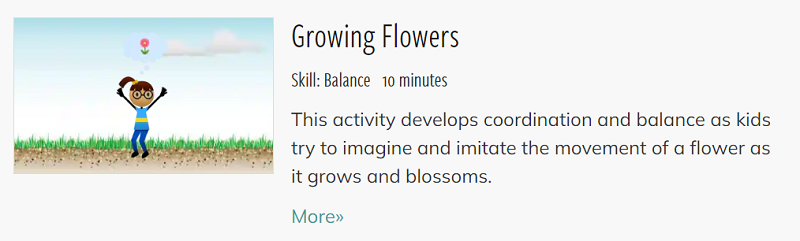
1. Active for Life: Physical Activities for Children
This section of the Active for Life website offers different physical activities that can be enjoyed by kids of all abilities. The entries are tagged with the skill being used (for example, balance, striking, kicking, volleying, throwing, catching, and dribbling), and the length of the activity is clearly marked (most are 10–15 minutes), as well as the recommended age range.
- Age range: Varies per activity
- Cost: Free

2. GO Noodle
The GO Noodle website offers hundreds of videos created by child development experts that engage kids with movement and mindfulness. The videos benefit kids’ physical wellness, academic success, and social-emotional health.
- Age range: Varies
- Cost: Free
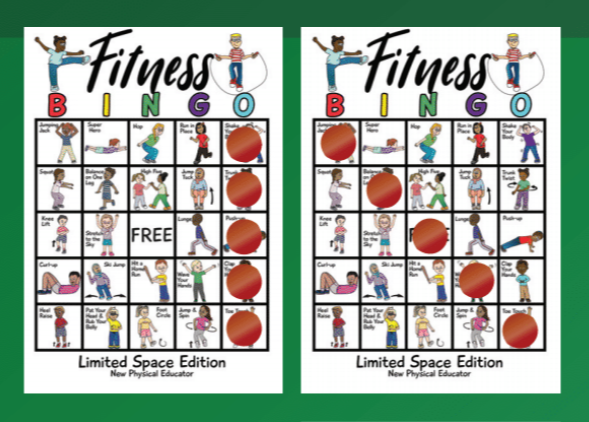
3. PE Central
PE Central’s video library and YouTube channel contain all kinds of activities for students, from dance lessons to sports techniques to adapted PE.
- Age range: Varies per activity
- Cost: Free
4. NFL Play 60
The NFL Play 60 exercise library was developed by the American Heart Association to encourage kids to run, jump, and play fun games with a football twist. In these videos, pro teams from all over the country demonstrate different exercises.
- Age range: 4+
- Cost: Free
Exercise and movement apps
5. Exercise Buddy
The Exercise Buddy app focuses on helping children with autism by offering interactive exercise videos that promote better fitness and behavior. Features of the app include social narratives, visual supports to help students make the exercise connection, more than 150 exercise videos and the option to create your own, and technology-aided instruction and intervention that engages students and collects data to measure progress.
- Age range: All
- Cost: Free 14-day trial, then $6/month or $54/year
- Platform: iPad, Android tablets, Chromebook
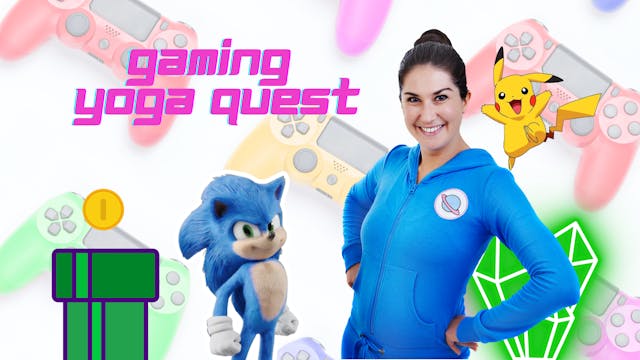
6. Cosmic Kids Yoga
The Cosmic Kids app has more than 400 videos to help kids practice yoga and other relaxation techniques through movement. The videos are ad-free to make sure kids have a safe and fun time exploring movement.
- Age range: 2+
- Cost: Free trial for 2 weeks, then $10/month or $65/year
- Platform: iPad, iPhone, Android, TV (via Chromecast, Apple TV, Roku, and Amazon Fire TV)
At-home fitness classes
Short online exercise classes can be really helpful for getting kids to move around more each day. Amundson says, "It's greatly helped our kids with strength, endurance, and practice following sequences so they can do tasks in a certain order." There is also the very real benefit of having a regular activity to look forward to with peers.
7. Outschool Online Workout & Fitness Classes
Outschool provides live online video classes and clubs. You can find a class for K-pop or Zumba dance, strength training, kickboxing, or another type of movement your child is interested in.
- Age range: Varies
- Cost: $5 and up depending on class
Tips for getting your kiddo moving at home
Amundson also shares a few recommendations:
Use simple household items like a chair, water bottles, and maybe a yoga mat for at-home exercises.
Try movements that require bilateral coordination, jumping movements, activities that use chairs, and exercises that bear weight on arms and legs. These are especially helpful for kids who need to work on sensory processing and OT.
Guide your child to complete a “sensory organizational piece” (essentially a warm-up) before they start the actual exercise activity. This includes arm movements, basic cardio (jumping around to get your heart rate up), doing plank, and trying various balancing positions on a chair. This will lead into the main exercise, such as chair crunches (your child sits on a chair and raises their legs off the ground while remaining seated).
Aim for 30 minutes to an hour of physical activity per day, but it’s completely dependent on what benefits your child the most.


Unlock more with Undivided
Turn knowledge into action that benefits your child
Get Membership


Author