

Top AAC Programs and Devices to Know About
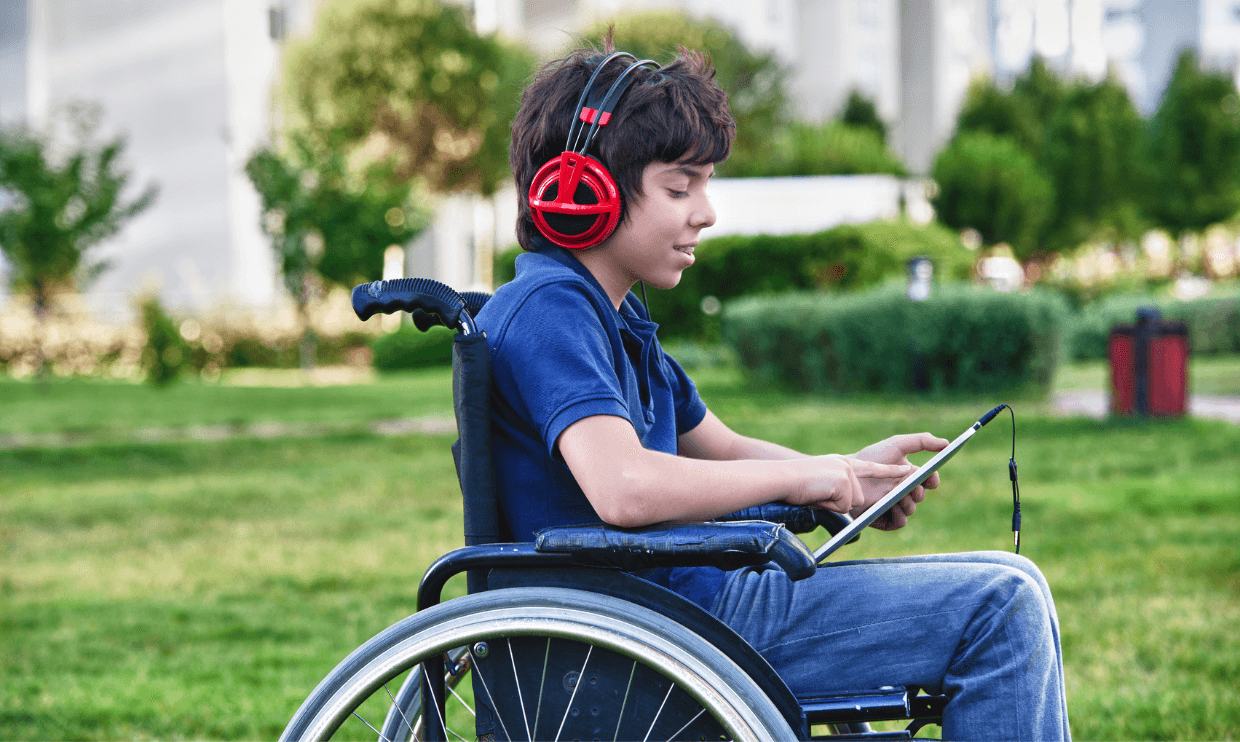
How do you know which AAC will be appropriate for your child? We asked speech-language pathologist (SLP) and AAC specialist Ali Steers for insights into the most common AAC programs and devices. (Check out more from Steers in these frequently asked questions about Augmentative and Alternative Communication (AAC)!)
Steers suggests testing a program or device before committing to it whenever possible to ensure it will work for your child. Working with a knowledgeable SLP will help you start narrowing down the best AAC system (such as apps or speech-generating devices), as there are many options currently available on the market.
For more information on top speech therapy and communication programs, apps, and assistive technologies designed to help individuals of all ages enhance their communication skills, check out our article Top Communication Tools, Apps, Assistive Technology, and More!
Low-tech communication devices and systems
AAC doesn’t have to involve a tablet or electronic device. Low-tech options can include communication books, picture boards, alphabet boards, and other printed systems.
Direct selection image-based programs
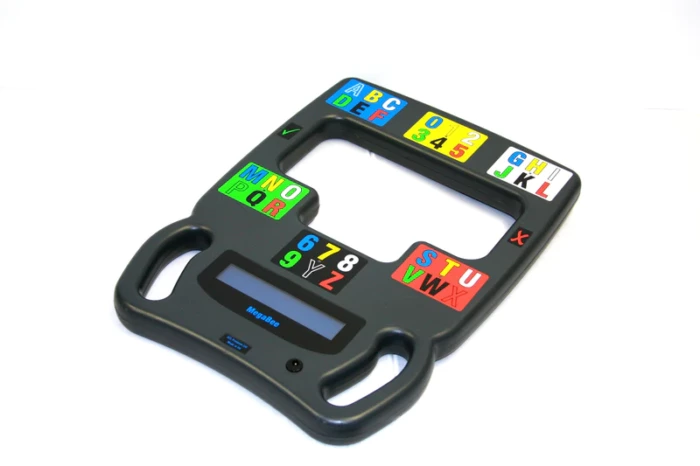
Letter and alphabet boards: The child will directly point to, press, give, or gaze at an image or word they wish to select.
Picture Exchange Communication System (PECS), and other image-based systems, such as Circle of Friends and communication books like PODD. Note that while these can be helpful when a child is young, they may not be sustainable over time as a child grows. However, low-tech systems can remain important even when someone uses a high-tech AAC system. A communication book, alphabet board, or other backup system can be especially useful when a device isn’t available, charged, or appropriate for the situation.

Tactile or auditory devices
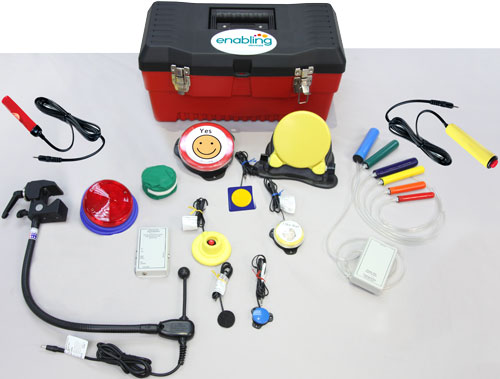
Options such as Enabling Device’s Tactile Symbol Communicator provide AAC for children who are visually impaired.

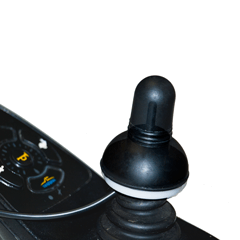
Standard USB joystick or mouse
A joystick or mouse can be used to control the pointer on some AAC devices such as those in the PCR Accent series.
Head pointing devices
Head pointing is a great option for users who need a hands-free device.
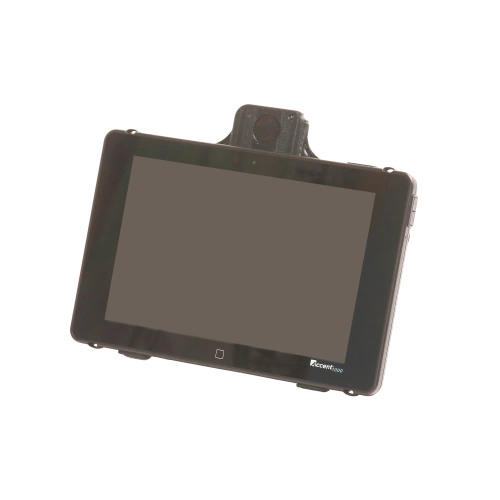
NuPoint’s Head Tracking for Accent 1400 works by placing a reflective dot on the user’s face, which is tracked by the device and used to control the pointer on screen.
Pointer sticks that are worn on the user’s head are also available.
High-tech communication devices and apps
Dedicated devices
Some kiddos need more than an AAC app on a consumer tablet. Dedicated speech-generating devices are designed specifically for communication and may offer features such as ruggedized hardware, amplified speakers, mounting systems, alternative access methods, and insurance funding options.
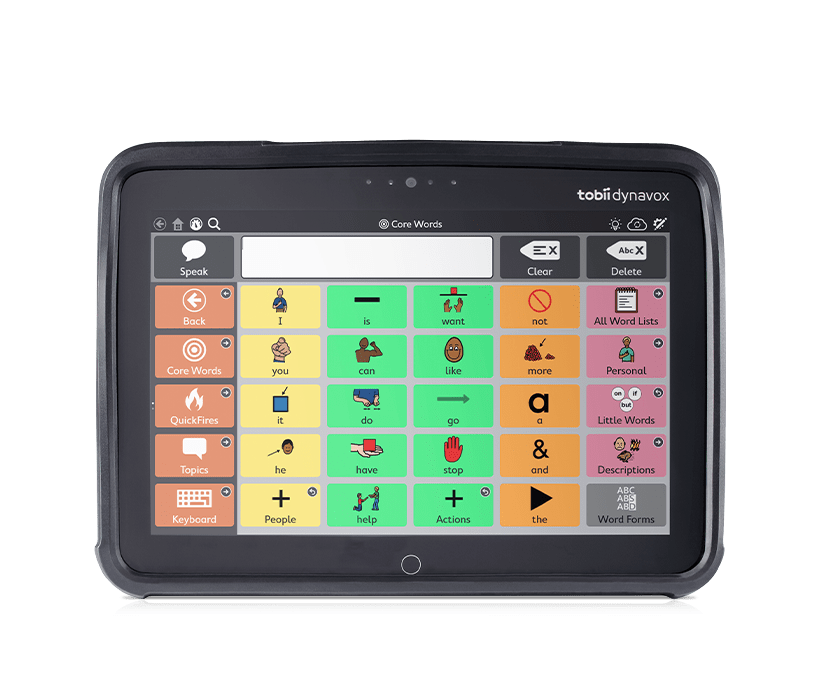
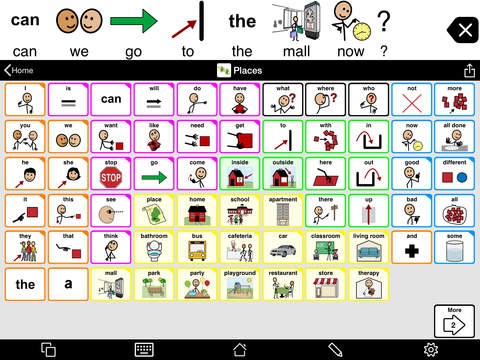
iPads with language system apps installed
These assistive technology apps and programs, created by speech-language pathologists, have been designed to support a student’s work with an SLP and aid continued practice at home.
Eye-gaze devices
Eye-gaze devices are most beneficial for children who don’t have the fine motor control to use direct-select or switch control systems. Eye gaze has recently become available on iPads but can be less reliable than when used with a dedicated device. The success of the software will often depend on the quality of the iPad’s camera.
The I-Series by Tobii Dynavox
Switch scanning
Switch scanning, such as Enabling Devices Announcer, can be auditory or visual, depending on the needs of your child.
Steers tells us that “for individuals who would not be good candidates for using their eyes or their hands, they’ll be controlling a screen with, ideally, two switches. Maybe they’re on both sides of their face, and they’re using one switch to scan and the other switch to pick.”
Find an AAC specialist


Unlock more with Undivided
Turn knowledge into action that benefits your child
Get Membership


Author