

What Is Masking?
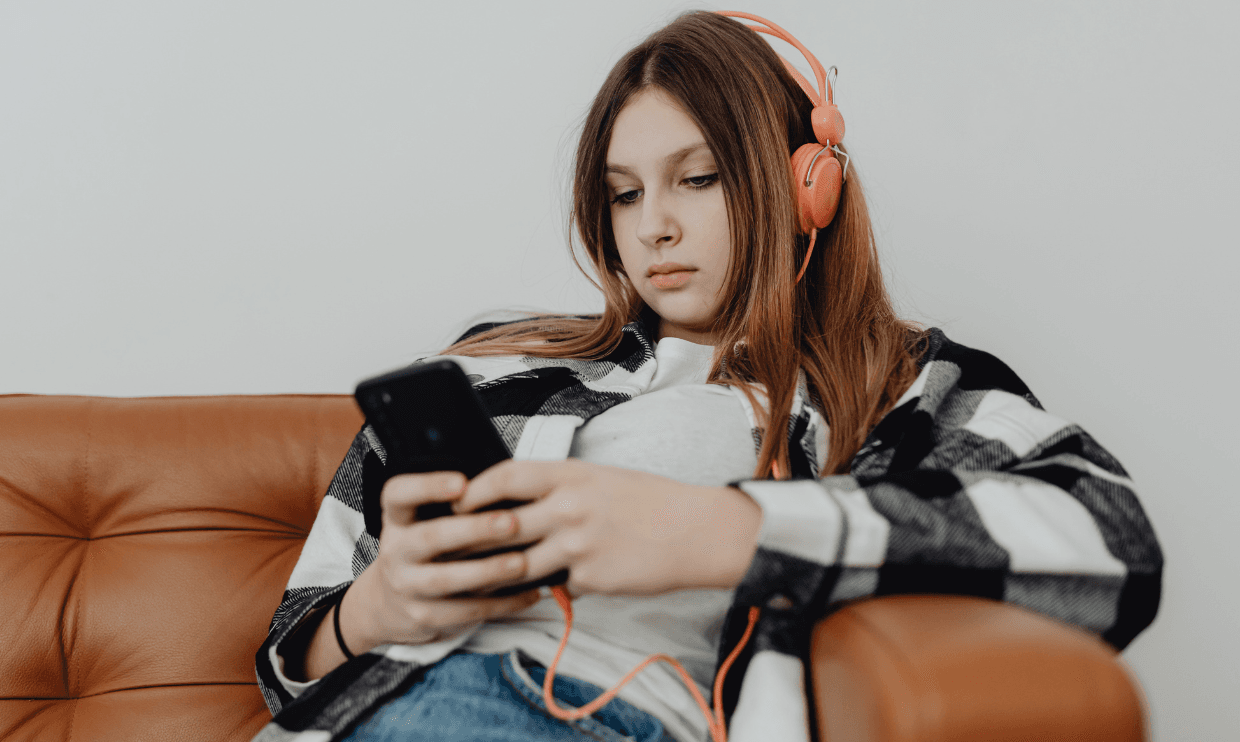
Have you ever wondered how your child can seem “fine” on the outside, but you have a feeling they’re working way harder than anyone realizes? Maybe they follow the rules, keep it together at school, and don’t draw much attention — but something still feels off. They come home exhausted, or you notice they’re constantly trying to figure out what to say, how to act, or how to fit in. For many neurodivergent kids, that experience is called masking.
Masking is the mental and emotional effort many kids, especially those who are autistic, put into hiding their neurodivergent traits and struggles so they can blend in with their peers and meet neurotypical expectations. But masking is exhausting! And it also comes at a cost because keeping it all together on the outside often takes a lot more effort than anyone realizes.
For more information on the different types of masking, why kids do it, and what it means for your child’s well-being, we spoke to Dena Gassner, PhD, senior research scientist at the A.J. Drexel Autism Institute at Drexel University; Lauren Kenworthy, PhD, division chief of neuropsychology, director of the Center for Autism Spectrum Disorders, and pediatric neuropsychologist at Children’s National; Theresa Kidd, PhD, clinical psychologist and clinical director of the Kidd Clinic; Devon Price, PhD, social psychologist, clinical professor at Loyola University Chicago, and author of Unmasking Autism and Unmasking for Life; Laura Hull, PhD, research fellow at
Bristol Medical School at the University of Bristol; and Harper Word, a college student at the University of Missouri, who also has Tourette syndrome.
What is masking?
You’ve most likely heard the term “masking” from a teacher, therapist, or even social media, but what exactly is it? At some level, everyone adjusts how they act depending on the situation. We all read the room and try to fit in. But for autistic and neurodivergent kids, that process can take a lot more effort and happen much more often, especially in environments where their natural way of being isn’t fully understood or accepted.
Autistic masking is “the conscious or unconscious suppression of natural responses and adoption of alternatives across a range of domains including social interaction, sensory experience, cognition, movement, and behavior.” For autistic children, masking might mean forcing eye contact, mimicking peers’ tone or gestures, or suppressing stims.
Dr. Hull tells us, “We know that neurodivergent children mask their neurodivergence more than typically developing children. However it's still unclear how much other individual factors (such as sex/gender, ethnicity/race, socio-economic status) play a role in masking.”
What are the types of masking?
Note, you may have also heard the terms camouflaging or compensation when referring to masking. While they are typically used interchangeably, some researchers list masking as a subtype that falls under the broader umbrella of camouflaging. Forms of camouflaging include masking (hiding neurodivergent traits), compensation (using strategies to appear more neurotypical), and assimilation (actively trying to fit in with others). In this article, we’ll be using the term “masking” to cover all of these behaviors.

Masking
Masking is a social coping strategy that involves hiding their differences (or symptoms of their disability) in order to manage social situations and fit in with others. Masking can include actions like suppressing stimming behaviors, such as flapping of hands, adjusting face and body to appear more relaxed or confident, hiding discomfort, forcing smiles or excitement when you naturally have a flatter affect, and forcing eye contact.
All of us adjust how we act in different situations. But for many autistic kids, social expectations are not intuitive. They have to learn them, think through them, and often override their natural responses to match what others expect. That can mean holding back how they naturally communicate, move, or react, and replacing it with something they have learned will be accepted. This takes more effort than it might seem on the outside.
Compensation
Another form of camouflaging is called compensation, which occurs when a person uses alternative cognitive strategies, or workarounds, to overcome challenges in social situations. For example, by intellectualizing social interactions that would be intuitive for others. They learn social rules intellectually, perhaps by observing and mimicking, rather than instinctively, copying body language and facial expressions, learning social cues from movies and books, using scripts for conversations, rehearsing or over-preparing what to say in social situations to avoid ‘making mistakes,’ etc.
For many autistic and neurodivergent kids, learning and following social rules is not intuitive or automatic. They have to think through what to say, how to respond, and what others expect in the moment. That kind of effort adds up. Even when they are doing a good job on the outside, it can leave them feeling drained by the end of the day.
Assimilation
This subtype is when the individual forces adoption of neurotypical behaviors to fit in, such as putting on an act or performing in social situations, pretending to be “normal,” and forcing oneself to interact with others, laughing at jokes they don’t understood, forcing oneself to make small talk, or even adopting structured social roles, such as being “the class clown” or “the emo one” or modeling yourself after “the popular girl” in school.
One risk of assimilation is that, over time, a child can lose touch with who they are. When they spend so much energy presenting themselves in ways that feel acceptable to others, they have fewer chances to show up as their true self. Over time, this can chip away at their sense of identity, making it harder for them to know what they like, how they feel, and what they need.
Dr. Price dives more into masking, camouflaging, and more:
A few things to note:
Masking takes energy — a lot of it. When kids spend their day trying to fit in or “act typical,” their bodies stay in a constant state of stress. Over time, that can lead to dysregulation, emotional outbursts, and decision-making that feels out of character. That’s why many parents see a different picture at home. Their child may seem “fine” at school, then completely unravel afterward. It can look like they’re “more autistic” at home, but in reality, it’s the release. This is often called restraint collapse — when the pressure to hold it together all day finally drops, and everything comes out. Read more about that in our article After School Restraint Collapse (ASRC) 101.
Masking itself isn’t a disability. Lots of people mask in different ways — whether it’s someone who feels “quirky,” highly intelligent people with very specific interests, or LGBTQ individuals navigating different environments. It’s similar to code-switching — adjusting how you present yourself depending on the setting. For many people, especially those moving between different social or cultural spaces, that’s a familiar experience.
Why do children mask?
Masking can happen for many reasons. As Dr. Kidd explains, “Masking often occurs when we want to protect ourselves in different settings. We want to fly under the radar and not draw attention to ourselves. We want to fit in. We don't want to be negatively evaluated or receive negative consequences.”
Your child might mask to feel accepted, to avoid stigma, bullying, or discrimination, or to blend in with peers in a neurotypical world. They may try to meet social expectations to avoid rejection or hide discomfort in environments that do not support them. Some kids mask because their differences are not understood or accommodated, or because they are trying to bridge the gap between how they communicate and how others expect them to communicate. Dr. Hull tells us that often, “Children mask because they are aware of being different, and being treated differently because of that difference. It can be a conscious decision, or an automatic response that they might not be aware of.”
At school, masking often helps them avoid negative attention or punishment, such as being corrected for movement or stimming. As they get older, masking can show up in efforts to build friendships, maintain relationships, or succeed at work. Over time, this pattern can become routine and happen without conscious thought.
Learned early at home and in daily life
The truth is, children don’t wake up one day and decide to mask. Often, they learn it from the people and environments around them. As Dr. Price explains, “There's a huge population of autistic kids who mask pretty much from birth because if they are born into a world and a family where they are expected to be neurotypical. . . . if you're treating your kid like a neurotypical, if you're expecting them to always hit developmental milestones, if you want them to act ‘normal,’ if you're uncomfortable with them acting ‘abnormal,’ they're going to learn that from a really young age.”
However, Dr. Price notes that as society begins to understand neurodiversity, and autism, things are changing slightly. “Because there's more awareness and acceptance of autism now than there used to be,” Dr. Price says, “we do see more kids who aren't masking when they're young because their family [or parent] might already know that they themselves are autistic, and they try to raise the kid in an accepting way. And there are better early detection tools, so we do see, in this current generation of kids who grow up, not masking very much when they’re young, and as they get older, that's when they begin to do it.”
Shaped by social rewards and expectations
As Dr. Price explains, masking is often not a conscious choice. Children pick up on what gets a positive response. If adults respond more warmly when they stay quiet or mirror others’ interests, or if peers accept them more when they hide what they love, they adjust. “A lot of masking happens on this pre-conscious level, where you just get socially rewarded for doing what people want out of you and doing what people expect, and if you are in any way deviating from that, people don't know what to do with you,” Dr. Price says.
Driven by the need to feel safe, loved, and accepted
As Dr. Price explains, when and whether a child masks often depends on their environment. In settings where there is awareness and acceptance of autism, kids tend to mask less. In families without that awareness, even with the best intentions, adults may expect a child to act, look, and behave in ways that do not fit them. In response, “that kid will end up masking a little bit because they want to make the people around them happy, and they want to feel safe and loved and accepted. And so those are two of the really common routes to masking in young people.”
In this clip, Dr. Gassner adds that compliance is a big reason children mask, and that there are strategies to helping kids navigate the world without teaching them how to mask:
Signs your child may be masking
Dr. Hull tells us, ”We still don't know very much about masking in younger children. From about the age of eight onwards, children might start hiding some of their neurodivergent characteristics around other people, for example not talking about a special interest because it's 'not cool', or stopping themselves from stimming around others.” Here are a few signs that your child might be masking:
Faking their way through the day
Masking often starts with pressure. As Dr. Price explains, "When a kid is really young, a lot of the pressure to mask is going to come from their parents and their teachers, because those are the biggest forces and influences in the kid's life. So if you see a kid pushing themselves to do things that you know they don't like to do, if you see them kind of faking that they're okay all the way through the day,” that could be a sign.
Holding it together all day, then crashing
A common pattern is masking all day, then falling apart at home, called after-school restraint collapse. Dr. Price describes kids who seem “okay,” better behaved, more agreeable, and compliant at school, but have “an absolute meltdown and crash at home,” or vice versa — “That can be a sign that they don't really feel safe being themselves in one of those environments,” she says.
Dr. Kidd adds that this can be confusing for parents. You might hear from school that your child is doing great, even when you are seeing challenges at home. This can leave parents feeling like they are the problem. In reality, your child has been holding it together all day. When they get home, they are finally in a space where they feel safe, so those built up emotions come out.
Talking in “shoulds”
Pay attention to how your child talks about themselves. As Dr. Price explains, “When you start hearing a lot of ‘shoulds’ from the kid, that they shouldn’t be doing something, that they shouldn’t like Bluey because they’re too old to like Bluey. . . . that they shouldn’t look a certain way,” it can signal they are trying to fit expectations instead of being themselves.
Judging themselves or others
Another point not talked about a lot is internalized judgement. Dr. Price tells us that autism runs in families, so if you see an older sibling bullying a younger sibling for doing something that steps outside of line, or seems like it's not conforming behavior, that could be a sign that your child has started to internalize some of that logic.
Hiding who they are
“The main thing that you want to look at is, do you see your kid not feeling free and safe to be themselves? Are they embarrassed or ashamed of the things that they like? Are they embarrassed and ashamed of what their body does or can't do? Are they kind of withdrawing from you?” Dr. Price says. And while a lot of this can be developmentally typical if the child is a tween or teen, “If you see a really pervasive sense that your kid does not feel safe being themselves around their friends as they get older, around their peers, if they don't feel comfortable being themselves at school, and if there's something in the environment that might really be telling them that there's something wrong with them, that's when you really have to worry about masking,” Dr. Price explains.
Dr. Kenworthy adds that masking often shows up earlier than people expect. She sees it emerging in elementary school, as kids quickly pick up on when they feel different, whether due to social anxiety, ADHD, or other factors. When they sense they need to change their behavior to match expectations at school or in other settings, they start to adjust. This is not something that begins in adulthood. It is already happening for many kids.
Myths about masking
Myth: masking is easy or natural for kids
Nope! Masking takes effort. A lot of effort. Dr. Gassner describes what is happening under the surface in everyday situations. In a busy space, a person might be “scanning the environment,” looking for quiet areas, reading faces and body language, figuring out social groups, processing noise, and planning responses in real time. At the same time, they are “tolerating the sensory information,” managing emotions, and trying to keep up with conversation, all within seconds.
This constant multitasking adds up. Dr. Gassner explains that all of these “mental and physical gymnastics to tolerate the space” you’re in can leave a person exhausted long after the interaction ends, affecting sleep, energy, and daily functioning.
“I really do think that what we're talking about incorrectly as a social problem is really a global, system-wide processing challenge. . . . Because if you take away any piece of that, we perform pretty neurotypically in a lot of ways, and especially if we're making conversation with other autistics who don't want us to do all the window dressing, who just take us at face level. . . . We just need space and time and processing opportunities so that masking doesn't deplete us. And most importantly, we need to be able to park our mask, right? We need to be able to park it when we come home at night and not have to mask at home, we need to be able to work in a work environment where masking isn't required 40 hours a week,” she adds.
Dr. Kenworthy agrees, adding that masking is hard work and often occurs when a neurodivergent person feels uncertain in social situations with neurotypical people and “does a lot of work to meet neurotypical people's expectations, such as practicing in a mirror, using certain kinds of gestures, recording very specific phrases or even whole sentences that they want to use when they're talking to other folks, trying to figure out ways to match [neurotypical] gestures and facial expressions. So you can imagine that is a lot of extra work, and I think it's really important to recognize that.”
Myth: masking has no long-term impact
Masking in early years, when their identity is still evolving, can shape how a child sees themselves. Dr. Gassner explains that when kids mask during identity development, it is often tied to feeling “unworthy.” Over time, this can show up as burnout and mental health challenges. She notes that these challenges are “not a replacement or a shadow of autism, but an expression of unmet needs.”
This is not limited to autism. Dr. Gassner points out that when any person feels inauthentic for long periods, it can affect both physical and mental health. A child who spends years trying to be someone else is carrying a heavy load.
The takeaway for parents is clear. "It's really important to know who you are and own your identity. And I'm very excited because the younger kids that are coming up in neuroaffirming families are very different from this,” she says.
Masking in other disabilities
Masking isn’t only seen in autistic individuals. As Dr. Kenworthy tells us, “One of the biggest things that we are starting to see in the research that's being done so far is that it's not only autistic people [who mask].” People with ADHD and social anxiety, for example, also mask, but perhaps in different ways. For example, someone with ADHD might mask by sitting still and quiet, even when their body wants to move, or by holding asking questions in class. Someone with anxiety disorders might mask by avoiding asking for help, or over-preparing and people-pleasing.
As Dr. Price explains, “A lot of different populations mask. If there's any kind of disability that is hidden or hideable, or any kind of mental health struggle that is hidden or hideable, you'll see people mask it. People mask their eating disorders, people mask that they're depressed or anxious all the time, and anytime there's an environment where there's stigma and a lack of support, you're going to potentially see some masking happening.”
Masking in ADHD
As Dr. Price explains, “We definitely see a lot of masking in ADHDers as well,” along with similar patterns across gender and race. Many people with ADHD, like autistic girls, are not identified until adulthood because their differences are hidden over time. The behaviors being masked can look different, though, to what we see in autism.
Dr. Price notes that someone with ADHD might try to manage intense boredom or under stimulation if they’re sitting at a desk all day in quiet, private ways. This can include “clench and unclench their body,” making noise in subtle ways, finding hidden outlets for stimulation, or “daydream and completely dissociate from their body.” In some cases, it can also include harmful coping strategies, like self-harming. These are ways of meeting needs without drawing attention.
Note that you can see some of these behaviors in some autistic people, so there is a lot of overlap (especially when people often have autism and ADHD).
Dr. Kenworthy adds that people with ADHD may still mask, even if their traits look more external. “ADHD is associated with more externalizing kinds of impulse control challenges, or just higher levels of physical activity or more talking, and that doesn't, in the case of ADHD, mean that they're not also doing some of this camouflaging,” she says. When ADHD is masked, it can often look like a child is just anxious or shy.
Masking in anxiety and mood disorders
Masking is not limited to neurodivergence. Kids with anxiety, trauma, or other mental health needs often hide what they are feeling to stay safe or avoid negative attention. Your child might keep worries to themselves, hide physical symptoms, or avoid asking for help. They may stick to what feels manageable, only doing things where they feel capable, or over prepare and aim for perfection to avoid mistakes. Some kids focus on people pleasing because they have learned that being easy or “good” leads to approval. For other kids, masking is tied to emotional safety. In these situations, masking can look like forcing happiness, minimizing struggles, or hiding symptoms to protect relationships and reduce stress on others.
Masking in Tourette syndrome
Masking can also be a big part of life for kids with Tourette syndrome. Many kids with Tourette’s struggle socially, not because of who they are, but because of how others respond to their tics. They may feel left out, misunderstood, or have a harder time forming friendships. There’s a common (but incorrect) belief that tics can be controlled with enough discipline, which can lead to expectations that kids should just “stop” — when in reality, they can’t.
For Word, masking began before she even had the words to understand what was happening in her own body — or how much other people’s reactions and judgments were shaping her response. As she explains:
“I think it was really just an amalgamation of people saying things. It made me realize people walk around with a lot of audacity. There was a girl in my math class in seventh grade, and I was having a really bad tic day, and I was freaking out about it because I didn't know at this point what was happening, and we didn't know that it wasn't controllable. And she came up to me and she said, ’What are you doing with your face?’ That's a terrible thing to tell a 12-year-old girl who's already freaking out, and being in that situation just made me feel really small.”
Moments like this can be a turning point. Even when something isn’t controllable, kids start to feel like they need to manage how it looks to others. “That was when I realized, ‘Oh, I need to be aware of where I'm doing this and how long it's going on,” she says. “I could cover my face or turn away a certain amount, but it was hard for me to control it at this point, so I had to get really creative, and I lied to people about it. I said, ‘Oh, I'm just like, making a funny face. And it was just really difficult.”
Her experience shows how masking tics often comes from a desire to avoid attention or judgment — similar to how some autistic kids mask their traits.
Is masking different across gender, race, and identity?
The topic of masking in girls vs. boys is a little tricky and nuanced. While some may argue that girls inherently mask differently, or more, than boys, most of our experts put forth an alternate theory: society treats girls (and especially autistic girls) differently than boys. The way we are socialized can mean that girls end up masking more than boys.
As our experts Dr. Abha R. Gupta, MD, PhD, developmental-behavioral pediatrician and associate professor at the Yale School of Medicine and Dr. Lauren Stutman, PsyD, licensed psychologist and founder of CARE-LA, explain in our article Autism in Girls, this typically begins as girls grow up and start school, where they’re faced with social and cultural pressures, expectations, and gender rules and norms. Girls mask more often at school and in public where there is pressure to fit in; there is usually less camouflaging at home.
Dr. Gupta tells us, “Because of expectations of cultural gender roles, girls try to mask their social challenges. While symptoms may seem less obvious, they may be exhausted internally trying to continually fit in and understand social situations. They may seem less impaired, but that doesn't mean they don't need support.”
Dr. Price explains that masking is shaped by how society treats kids differently. Girls are often expected to manage other people’s emotions and stay quiet, agreeable, and “appropriate,” so they are more likely to mask from an early age.
Boys are often given more room to stand out, especially white boys from more privileged backgrounds. As Dr. Price notes, they are more likely to be allowed to take up space, act in their own way, and even be seen as a bit loud or difficult without the same pressure to hide it.
“We don't give that to girls, to Black and brown autistic kids, as well as trans autistic kids,” Dr. Price adds. “Those populations are expected to keep their heads down, they're expected to be quiet, to not be a hassle to others, to not demand too much and to really conform. And so those populations are really, really heavily pressured to mask, if it's at all possible for them to mask. They often will say that they feel fine, think a lot about other people's needs before their own, and hide their disabilities. And also those groups end up masking more because people don't ask them how they're feeling and what they need.”
Race also plays a role. As Dr. Gassner explains, “In regard to race, it’s key to note that many families of color feel more pressure to encourage conformity due to concerns related to avoidance of unsolicited or unwanted contact with figures in authority, especially law enforcement.”
Masked autism can be better understood as missed or neglected autism, Dr. Price tells us. Many kids, especially girls, Black and brown kids, and trans kids, are overlooked. “Sometimes, those kids can actually be pretty visibly autistic, but nobody's thought to check in with them and give them the help that they need. And so in those groups, you see a later age of realizing they're autistic, a later age of finding community. They're more likely to mask, they're more likely to feel ashamed of themselves, and all of these really kind of negative experiences that can set them up for a lot of struggles down the line.”
How internalizing vs. externalizing presentations of autism shape masking
Now, another nuance. Instead of framing autism as “girls vs. boys,” many experts now focus on how autistic and neurodivergent traits show up. Some kids internalize their experiences, while others externalize them. Internalizing and externalizing describe how a child’s traits show up on the outside. Kids who internalize are more likely to hide their struggles. They may stay quiet, follow the rules, and push through discomfort. These are often the kids who mask the most, because their challenges are less visible. Over time, this can look like anxiety, shutdowns, or exhaustion, especially after school. Kids who externalize show more of their distress outwardly. You might see impulsivity, movement, big reactions, or difficulty following expectations. As Dr. Hull explains, “All children might mask, but internalising traits such as anxiety might lead children to mask more, as they don't want to cause a disruption or stand out.”
This shift helps explain why so many kids who mask are missed. As Dr. Gassner explains, “Individuals who internalize their autism often go undiagnosed until much later in life, particularly women and other marginalized groups. This delay is primarily attributed to diagnostic biases and instruments that historically focused on more overt, externalizing features. These tools were developed by male researchers who inadvertently overlooked nuanced presentations of autism.”
Dr. Gassner challenges the idea that autism presents differently by gender. She explains that there are just as many boys who internalize their autistic features (and have adopted a lot of masking behaviors) and are missed as there are girls, but “we’re just not asking that question.”
At the same time, girls who externalize their traits tend to be identified at similar rates as boys, because their behaviors are easier to see. As Dr. Gassner explains, when diagnosing autism, the tools are created to looking for these very externalizing expressions of autism. “It's interesting that none of the early childhood assessment tools are validated for females, none of them, and so that also means they're not validated for males who internalize as well. So we have a lot of work to do in terms of being able to conceptualize how autism expresses itself in different people,” she says.
Another risk of masking for externalizing people is misdiagnosis, Dr. Gassner tells us. “Many males get ODD diagnoses and girls get personality conditions and/or bipolar. This results in bad medications and delayed effective treatment and supports.”
Dr. Gassner explains more about this topic in this clip:
What are the risks and challenges of masking?
Masking can result in challenges, including mental, physical, and emotional drain. Masking is characterized by constant monitoring of what are deemed to be socially acceptable behaviors, which can be quite draining for the individual. Let’s explore some of these challenges:
Masking is exhausting
Dr. Price explains, “Masking is really exhausting. You’re basically having to run a separate personality and suppress your actual needs and feelings all the time.” Because of this, many kids who mask “are often really tired and cranky at the end of the day,” and some reach “a burnout point really early in life,” even as young as elementary school, when you're dealing with that amount of demand.
For Word, that exhaustion wasn’t just emotional, it was physical. Masking meant constantly holding back her tics and monitoring herself all day long, trying to make sure nothing showed. As she describes it: “It takes a lot of effort. It sometimes hurts because I'm holding back so much and I'm so focused on making sure nothing slips through that it's like every single muscle in my body is tensed up at once, and it won't release until I get home. And that's really, really difficult. It got to a point where masking every day wasn't worth the turmoil because I'd come home exhausted, and get headaches. It doesn't feel good, and it's not worth it in the end, because people would still say things. So it was just really frustrating having to do that for as long as I did.”
Dr. Gassner also describes masking as a constant mental load, not a simple social skill. She explains that many autistic people are trying to track conversations, form responses, read social cues, time their reactions, and understand group dynamics all at once, while also managing internal thoughts about whether they belong. All of this is happening in real time. It requires ongoing shifting of attention and effort across multiple tasks, which makes it deeply exhausting. This can result in feeling extremely isolated because they have friendships but they're not being truly seen by anybody, and that could lead towards anxiety, depression, etc.
Long-term masking lead to burnout
“Burnout can lead to really significant impacts,” Dr. Kenworthy tells us. She notes that some people may lose skills they once had (also called regression), including the ability to communicate in the same way. Others may need to leave work or struggle more with mental health. These are significant changes, and she emphasizes that they need to be taken seriously and understood.
She also points to another impact of long-term masking. Over time, some responses become automatic. For example, a person might go to the doctor with a concern, but when asked how they are, they respond, “I’m fine,” out of habit rather than accuracy. Years of using scripts to “manage expectations in this neurotypical world” can make it harder to express what they actually feel or need. Some autistic people become aware of this pattern and try to check for it. They may ask others for clarification, because they know they are at risk of defaulting to what sounds expected instead of what is true.
Unmet needs and physical health impacts
Masking can also result in unmet support needs because when children mask their traits and symptoms, their support needs may go unrecognized or underestimated. They may not receive the accommodations, therapies, or interventions they need that could help them thrive and overcome the challenges associated with autism.
Dr. Price notes, “It means that a kid’s needs aren’t getting met because they’re hiding them.” This can show up in concrete ways, like “bladder issues, because maybe they’ve decided to not ask for bathroom breaks,” or ongoing pain, such as “headaches or migraines because the fluorescent lights in the classroom are hurting them, but they’re not saying anything about it because they don't want to stand out, and so they're registering massive amounts of stress in their body.” As part of their masking, they've learned that they should never speak up or ask for anything.
Over time, masking affects the body. Dr. Price describes how kids who mask are “basically in low grade fight or flight mode all the time.” This can look like “really high cortisol levels” and symptoms similar to anxiety or even long-term trauma, especially when a child is constantly pushing through overwhelming environments.
Certain populations may fly under the radar
When girls, Black and brown kids, trans and gender diverse kids, and kids who internalize their autism mask, they can appear more socially skilled than they feel on the inside. This gap can make it harder to build real connections. A child may seem to be doing fine socially, while still feeling isolated or struggling to maintain friendships. Some children also describe feeling disconnected from themselves when they are not able to show who they truly are.
At school, this can lead to being overlooked. Gender expectations often shape how behavior is interpreted. For example, boys’ differences (or externalized features of autism) are more likely to be seen as disruptive and flagged early, while girls may be described as shy, anxious, or simply well behaved. As a result, their needs can be missed. Parent tip: communicate with your child’s teacher and IEP team often! Document what you see at home and make sure you share them with the team at parent-teacher and IEP meetings.
Assessment and diagnosis difficulties
Masking can make it harder for professionals to see what is really going on during an evaluation, and give an accurate diagnosis. Often, this is a contributing factor to why girls, for example, are diagnosed with autism much later in life.
As Dr. Kenworthy explains, “There’s a kind of a gold standard autism diagnostic tool that we use, called the Autism Diagnostic Observation Schedule (ADOS), and it’s where we’re interacting with an individual in very structured ways — we're doing certain kinds of activities and then we’re watching them and coding different kinds of behavior.” This includes things like eye contact, gestures, facial expressions, and how a child responds to bids in conversation. The test looks at what their social-communication reaction will be, “which can be affected by a person who's using things that they've rehearsed, that they've learned previously, or doing things like making eye contact intentionally because they think it's what's expected of them.”
But things are changing. For example, the latest DSM-5 criteria for a diagnosis of autism also includes this specifier, which may help children who mask: “Symptoms must be present in the early developmental period (but may not become fully manifest until social demands exceed limited capacities, or may be masked by learned strategies in later life).” This one line can help kids who may be told, “If you had autism, you would have been diagnosed by now.” It also identifies how masking can delay or hinder a diagnosis.
Dr. Kenworthy also tells us that things can be changed during the assessment to account for masking: “We've developed a tool to sort of ask people after the fact, how much of what you said was something you'd practiced, or how hard were you working. There are definitely ways to get around that.”
Poor IEP goals
Poor IEP goals is another challenge. You have to be aware of IEP goals that actually promote masking their traits in an attempt to “normalize” their behavior (for example, goals for more eye contact, tone policing for appropriate responses, constantly initiating conversations, etc.). Certain goals can set up children for manipulation, exploitation, and bullying. Many of these goals have the word “appropriate” in them — as in “appropriately respond” or “appropriately acknowledge” — and may be expected even when a child is being teased or bullied. This may happen if professionals are not well-versed in autism. Parents can reach out to the school and advocate for staff training on the latest research in autism, including the best methods for supporting kids with autism. More on IEP goals in our article here.
Social and mental health costs
Dr. Price tells us that while it may not look distressing or traumatizing, when you’re masking and “gritting your teeth” to fit in, over time, it frays away at mental resilience and the body. “People who mask a lot have lower quality friendships. They feel less known by their friends as they grow up. They're at a heightened risk of relational abuse and domestic violence because they are more likely to go through the world in such a way where their number one goal is to be liked and approved of by people, which means that they might not be very good at identifying if someone's unsafe, or at standing up for themselves. So there's a big risk of abuse and mistreatment, or even just abusive friendships and bullying in a lot of kids who mask because they just don't know how to tell the difference between someone that they shouldn't be around who's hurting them, and somebody who's safe” Dr. Price explains.
And when it comes to mental health, Dr. Price adds that there is a high risk of depression and suicide associated with masking “because your life when you're masking is not your own. You are completely detached from other people, and you're detached from yourself, and that is a really hard, really, really depressing state of affairs. . . . So if somebody is masking all the time, or they feel like they have to, there is a really heavy toll that it can take on them and their lives.”
Can masking be beneficial?
Protective factors
Masking is not inherently harmful. Dr. Kidd tells us that masking can serve as a protective factor in environments that are not accepting or supportive. Kids and adults alike may hide parts of themselves in settings where they do not feel safe being fully open. “We may not be treated well if we show our true identity, or that we're autistic, if it's not somewhere that feels like it's accepting and supportive of different neurotypes,” she says. She tells us that when working with clients, they explore the question: where is it safe to unmask, and where is it not safe to unmask? Unfortunately, the way society is set up currently, it’s not always safe to unmask.
While masking is not harmless, it can serve a purpose in a world that is not always safe or accepting. Dr. Price explains that masking can act as a form of protection. Being able to move through the world without being seen as disabled can reduce the risk of discrimination is a privilege as some people, especially Black autistic individuals, not masking can carry serious consequences, including being misunderstood, targeted, or even harmed.
“There have been instances of Black autistic people losing their lives because police shot them for just being visibly autistic in public. There's a risk, if you can't mask, of losing your job, of losing housing, of being discriminated against in massive ways. And so, people mask because it is very protective, and having the ability to choose when or if to mask is really a power that a lot of us have that can protect us. And my life as someone who can mask is vastly easier than someone who, let's say, is non-speaking and can't suppress any of their stims ever and has to deal with the judgment that comes from that all of the time,” Dr. Price explains.
“Code-switching” and “passing”
A big aspect of whether masking is beneficial or not comes down to control and choice, As Dr. Hull explains, “For many autistic people, masking is a necessary behavior to keep them safe in situations where they might be treated badly or even hurt for seeming different. It can also sometimes be useful to help them achieve goals and be understood in neurotypical settings, similarly to code-switching. What is important is that the individual feels they are in control of masking and it is something they are choosing whether or not to do.”
Dr. Price adds to this, explaining that some autistic people can get to a point where they can choose when to mask and when not to mask, “similar to something like code-switching, where you develop kind of a cultural fluency, where you can say, ‘I'm in this situation, I know how to speak the language of this situation and blend in, but I can take that mask off as soon as I leave.’ And it doesn't really necessarily hurt you too much to do that. And I think that's fairly similar psychologically to what we see with code-switching, where, if somebody can switch between African American Vernacular English and standard white English, for lack of a better term, and they're choosing when to do it, they're just using their cultural fluency that they have. And that doesn't have to be a traumatic thing. The problem is when it's forced and demanded of us all the time, and we don't have that control,” Dr. Price explains.
The term “passing” is also sometimes used to describe masking: a neurodivergent person "passing" as non-autistic or neurotypical. It comes from a historical context where a Black person or person of color could be perceived as white, which often led to greater access, safety, and opportunity. At the same time, it requires distancing from one’s identity and community. That kind of tradeoff carries a heavy personal cost. “It also comes at the expense of denying yourself and your culture and separating yourself from that world. And there's a really heavy cost, cost to that kind of thing,” Dr. Price adds.
Helping your child recognize they are masking
In an ideal world, our children wouldn’t feel the pressure to mask. But because we don’t live in that world, one of the most helpful things we can do as parents is to help our children understand themselves, understand masking, and recognize when they are doing it. Here are a few expert tips:
Start early by talking about pressure and feelings
One of the most helpful things you can do is start the conversation early. As Dr. Price explains, “It’s very useful for parents, from pretty early on, to start talking to your kid about the pressure they might feel to mask. . . . start talking to your kids early and often about who they’re friends with, things that their friends say that maybe hurt their feelings, really believe them and validate them if a teacher or another adult. . . . said something that really hurt their feelings.”
Ask questions
Unfortunately, we can’t shield our children from judgment and ableism, so start talking about it early, Dr. Price recommends. Even if they are too young to understand the term “masking,” you can still help them notice when they feel a need to hide parts of themselves and help them prepare for the reality that things like that are unfortunately going to happen, especially as they move into the pre teen years. Here are some questions Dr. Price invites us to ask our children:
- Have you ever felt bullied?
- Have you felt judged?
- Have you ever felt like you needed to hide yourself, and what did that feel like?
- Have you noticed that other kids get bullied for being different?
- Have you ever felt pressured for being different?
- Are you making choices to avoid being treated differently?
This may be tough for parents to hear because it may make you feel as if you failed as a parent if they’re masking because you didn’t teach them to be “super confident all the time,” Dr. Price tells us. But that’s not it. The truth is, “You probably won't be able to keep your kid from ever masking, but if they can feel like they are accepted in some places in their lives, that's really what's most important for those of us who mask. What we need to get by is to have safe spaces where we can unmask and talk about that pressure and be intentional about it, so having those conversations can help with that.”
Dr. Price dives more into these conversations in this clip:
Give your child language that fits their age
Dr. Gassner compares these conversations to other big topics that come with puberty. You build them over time. As she puts it, “You tell kids what they need to know and give them the language they need to be able to get their needs met at their developmental level.” And over time, this can lead to more understanding and less fear and pressure to mask around friends and peers.
In elementary school, that can look simple and concrete. Dr. Gassner shares that when her son was younger, “At that developmental level, the kids don’t notice the social differences, but they notice the behavioral differences. . . . what they can watch and see.” So they helped his classmates understand those behaviors in a clear, nonjudgmental way. They created a simple book for his class that explained what peers might notice and why. For example, it shared that he sits in the same cafeteria seat with his back to the wall because being approached from behind startles him. It also explained that he might walk all the way around the room to keep things on a certain side, because that is how his brain organizes space.
As kids get older, the conversation shifts. In middle school, Dr. Gassner began including her son in decisions about what to share. “Now he can give consent. Now he can participate. . . . do you want the kids to understand more about your autism?” He could choose how involved he wanted to be, even if that meant being present without leading the conversation. The focus also evolves. In early years, they explained differences. Later, they made sure peers could also see similarities. She describes sharing stories about his interests and experiences, such as how much he enjoyed caving at camp, parasailing, and other adventurous things, just like other kids.
Why does this help with masking? Dr. Gassner explains that when kids and their peers have clear, age-appropriate information, it reduces the misunderstandings that often lead to masking. As she explains it, “When you close the gap with real, valuable, usable, developmentally appropriate information for the child as well as for their peers, you eliminate that fear, because from early childhood, we tell kids to avoid the weird people, and then we expect them to just be inclusive, but we don't give them any information or language to know how to do that. . . . I believe more information for everybody is better. I think having real language to be able to explain things to you is very important.”
Help your child check in with what they’re actually feeling
Dr. Kenworthy emphasizes that one of the most important skills for kids is learning to notice their internal experience. When kids are masking, they can lose track of what they are actually feeling or needing. She describes teaching kids to pause and check in, asking themselves something as simple as, is that what I meant to say, or how am I actually feeling right now. Tools like a simple feelings scale can help. At one end, at level one, a child feels calm and regulated — green. At the other end, a five, they feel overwhelmed — red. The goal is to help them notice when they are moving away from feeling okay.
Once kids can recognize that shift, they can start to respond to it. As parents, we can introduce coping strategies when they feel they’re getting farther away from that green one That might mean taking a break from a noisy space, getting some quiet time, or using a calming strategy like deep breathing. These are not complicated skills, but they help kids become more aware of themselves and more intentional about what they need.

Hot topic: teaching life skills (without teaching how to mask)
A lot of parents ask this question once they start learning about masking. If we are teaching our neurodivergent kids necessary social and life skills, are we asking them to mask and be more neurotypical? When we teach things like conversation skills, or classroom behavior, are we helping them or asking them to hide who they are? There’s no one simple answer. This is an ongoing conversation among parents, self advocates, and professionals.
Some people worry that traditional social skills programs focus too much on helping kids look “typical,” instead of helping them feel comfortable and understood. Others point out that all kids need tools to navigate the world, and that learning how to communicate and connect is important, especially in spaces that are not always designed for neurodivergent people. So where does that leave parents? Is there a better way to teach autistic and neurodivergent children skills so it doesn't feel like masking?
Dr. Hull gives an interesting take: “I think of masking as the expectation to use neurotypical social skills without any other options, whereas neurodivergent people could be taught neurotypical social skills as one option in their 'toolbox' to use, as well as encouraging more acceptance of autistic social communication styles.”
What’s missing in many social skills programs
Many parents are told that social skills training will help their child make friends and feel more confident. But research and lived experience are raising important questions about what these programs actually teach. Dr. Price points to a large body of research showing a pattern across many programs. “Most social skills trainings for autistic kids, even if they're meant to be very affirming and accepting, primarily what they teach kids to do is to pay more attention to others and less attention to themselves, to speak less about things that they care about, to make sure that they respond to people quickly enough when a person walks into the room, to almost become hyper vigilant.”
Dr. Price adds that research shows that these trainings don’t actually help kids make friends, feel accepted, or capable of navigating social challenges, and that “all that it really seems to change is something called ‘social responsiveness.’ So an autistic kid who goes through a social skills training will get better at greeting someone as soon as that person walks in the room, asking that person how their day was, making sure that that person is happy and comfortable, and making sure that that person gets to talk enough about the things they want to talk about. And those are social skills, but those are social skills that kind of put yourself in the back seat.”
Dr. Gassner raises another concern about how some programs teach these skills. She points out that some use exaggerated or “cartoonish caricatures of autistic behavior” that are “very dehumanizing and very degrading.” For older kids and teens, this can be especially harmful. These portrayals can send the message that their natural behaviors are not only different, but abnormal in a very extreme way.
ABA and masking: understanding the tradeoffs
ABA is a tricky subject. While it can be the gold standard therapy for many kids, other groups of people feel that it is ableist and harmful. Dr. Price shares a strong perspective on ABA and how it relates to masking — even though approaches vary, many forms of ABA are rooted in the idea of “we’re going to make life easier for this kid by making them blend in more,” which can make things easier for adults, but may come at a cost for the child.
This focus on compliance and fitting in can have long-term effects. It can teach kids to ignore their own needs, tolerate discomfort, and prioritize others’ expectations over their own boundaries. Over time, that can impact how safe they feel in relationships and how connected they feel to themselves.
While Dr. Price notes that we don’t want to ever demonize any parents who make the choice to use ABA therapy because they feel like they have to to keep their kids safe, especially Black families trying to protect their kids from police violence. . . . I would always encourage [parents to be] mindful of the of the trade offs that you're making. That ABA, even when it's done by the sweetest, gentlest practitioner in the world is still delivering the message that how you are is wrong and you need to pretend to be something you're not, and that'll make life easier for you. And I don't think that's a good message for kids to have to sit with.”
Self-advocacy is a social skill too
If your child is masking, the goal is not to teach them to fit in better but to speak up for themselves. Dr. Price explains that many masking kids already have strong social awareness. “A lot of masking kids are really, really good at listening to and mirroring other people.” The gap is not in understanding others, it’s in expressing themselves. Where they often need support is speaking up, saying they disagree with something, and having a conflict with a friend or a relative that be productive, because that’s also a life/social skill to have — tolerating the discomfort of not everyone liking them and doing things in their own way.
Parent tip: as you are explaining social rules to your child so they have the tools and awareness to understand why people do what they do, at the same time, give them training in how you say ‘no,’ ‘stop,’ ‘I want something,’ ‘I need something,’ ‘I don't like the way you're treating me.’ As Dr. Price tells us, “That means letting your kid be weird and sometimes not get along with people. Conflict is a social skill, non-compliance is a social skill, and those are the areas that have not been as well explored in interventions because a lot of times we treat the kid as if they are the problem if they do anything unusual or inconvenient.”
Dr. Price encourages parents to shift the focus. “The location of the problem should be, is my kid getting what they need and want out of life? Is my kid going to have a life that’s good for them?” That might mean your child stands out. It might mean they are not liked by everyone. And that’s okay. There are different ways to connect with others. As Price explains, “There are social skills that are both working with somebody and meeting them where they’re at. And then there’s social skills that are saying, No, I’m going to do things my own way. And they’re both equally important” .
Teach skills without sending the message that your child is the problem
Not all social skills teaching leads to masking. The difference is in how those skills are taught. Dr. Gassner explains that some skills are simply about helping kids navigate the world. “Teaching someone. . . . please and thank you, holding the door for someone, those kind of things aren’t inherently saying who you are is bad. This is just what people do to be nice to one another.”
These kinds of expectations give kids structure without making them feel like they need to change who they are. The problem comes when skills are framed as fixing your child. Dr. Gassner gives a common example. Instead of saying, if you do not stop talking about your interests, people will not like you, you can reframe it in a way that teaches context. “People really like to hear what you want to say, but often they can only take little bite-sized nuggets.” This keeps the focus on communication, not on shame.
Teach meaningful skills that match how your child actually learns
Before teaching any skill, start with understanding your child. Dr. Kenworthy explains that you need to look at “what the child’s unique processing is first, and then put in supports before you teach.” If your child is coming home exhausted, the question is not what they are doing wrong, it’s what demands are not matching how they think, learn, or process the world, whether it's social or academic learning in school or just managing behavioral and sensory demands of school.
This matters for social skills too. Dr. Kenworthy points out that instead of focusing on surface behaviors, like eye contact, you need to ask why something is hard. She shares an example from an autistic adult who said, “people talk to each other with their eyes, but I don’t know what they’re saying.” That highlights a key point. If eye contact does not provide useful information, then requiring it will not help your child connect. Teaching a rule like “make eye contact four times out of seven” misses the point. As Dr. Kenworthy puts it, that approach does not match how the child is actually processing social information. Instead, you can either build understanding in ways that make sense for your child, or adjust the expectation altogether.
As Dr. Hull explains, “Many autistic children find it difficult or even painful to meet neurotypical social expectations such as eye contact, and it doesn't necessarily help them to learn or focus as the discomfort of 'performing' the behaviour might overwhelm them so they can't concentrate on anything else. Instead, identifying ways in which autistic children can demonstrate they are listening and focusing, which don't cause them discomfort, can help the student and the teacher communicate better.”
Another challenge is when a child has challenges with executive functioning. Dr. Kenworthy explains that executive functioning is a brain-based skill that looks different for many neurodivergent kids, including autistic kids and kids with ADHD. It is also something that is easily affected by everyday factors. As she notes, these skills “are a very vulnerable set of brain-based functions,” and even things like lack of sleep, stress, or not eating enough can make them harder to use.
That means many kids are already working with a system that gets overloaded more easily. This is where skills can help, but only when they are meaningful. Teaching strategies like how to get unstuck, how to plan ahead, or how to organize a task can support a child in real ways. These are tools that help them manage their day, not change who they are. The key is starting with purpose. Kenworthy emphasizes that “we always start with the why.” A skill should only be taught if it is useful to the child and makes their life easier. If a child does not understand the reason behind a skill, or if it adds more effort without helping, it is not the right approach. You can read more bout this in her book Solving Executive Function Challenges: Simple Ways to Get Kids with Autism Unstuck and on Target. She also shares this website with lots of resources for supporting executive functions, as well as free parent videos in English and Spanish.
Pioritize mental health and safe connections over “fitting in"
Dr. Kidd emphasizes that mental health comes first. When kids feel safe, understood, and connected, everything else, like skills, relationships, and confidence, becomes easier to build. In this clip, Dr. Kidd dives into how unmet needs and repeated stress impact mental health, why traditional social skills approaches are shifting, and how helping kids find safe, like minded connections can reduce masking and support their well being.
Should we help kids learn to unmask?
Many parents hear about unmasking and wonder if it is something they should encourage. While unmasking can help kids feel more like themselves, it also comes with real risks, especially for kids who already face bias or discrimination. For some children, being visibly different can lead to exclusion, discipline, or even safety concerns. That is why unmasking is not about pushing a child to drop the mask everywhere. It is about helping them build awareness, choice, and safe spaces where they can be themselves. And for many people, unmasking is a skill that has to be learned and practiced over a lifetime.
It’s hard for adults to learn to unmask, and even harder for children. As Dr. Hull explains, unlike adults, children and teens are still figuring out who they are, how they feel, and how they fit into the world, which makes the idea of a “true self” underneath the mask a lot more complex.
“Most of the discussions around unmasking have been led by adults,” she says. “We don't know what unmasking might look like for children. I think it's difficult to know what is 'under the mask' for a child or teenager who is still working out who they are, and there is a risk of creating pressure to know who you 'really are' instead of masking. I think a better approach is to support children to understand and accept themselves both when they are masking and when they are not, so they can choose whether and when to mask when it suits them.”
Instead of pushing unmasking as an end goal, it can be more helpful to focus on helping your child feel safe, understood, and accepted in different environments. Here are a few things to try:
Start with what makes your child feel good
Dr. Price explains that unmasking doesn’t start with telling a child to drop the mask; it starts with helping them reconnect with what feels safe and right for them. One way to do this is by looking at moments when your child felt happy and fully themselves. Dr. Price introduces a program from Autistic Life Coach Heather Morgan called the Values Based Integration Program. As Price describes, you think about five times where you felt really happy and alive and you use those moments to figure out what you value most and what makes you feel safe and comfortable. This is something you can do as a fun exercise with your child:
- Step 1. Sit down together and ask about their favorite memories. Focus on moments when they felt happy, energized, and fully themselves. This could be things like going to the zoo and working with animals, learning about geodes or dinosaurs, or making music with cousins at camp.
- Step 2. Look closely at those moments and identify patterns. Notice what your child values most, like music, creativity, their special interests, or spending time learning something alongside a friend. These patterns can help you understand what acts as a kind of guiding star for your child, and point you toward the environments where they feel safest and most like themselves.
- Step 3. From there, work on creating more of those environments in your child’s daily life so they become more familiar with what feeling comfortable is like. “A lot of autistic kids are basically never comfortable, ever, both for sensory reasons and because of social judgment,” Dr. Price tells us. You can help by putting them around others who share their interests, introducing them to other autistic kids and adults so they can see a future for themselves, and surrounding them with people who understand them. This might look like going to a convention for something they love, giving them more opportunities to be creative, or helping them engage in activities that let them feel fully in their body, whether that is something like gymnastics or simply being cozy and regulated in a way that feels good to them.
“When they know what feels good and what feelings in themselves they can trust, then they're better able to notice when they don't feel good, and that life doesn't have to be discomfort all the time,” Dr. Price tells us. “That makes it easier for them to speak up and to just keep searching out situations that are good for them and navigating their way out of situations that feel bad. And that's ultimately what unmasking actually is at any age. It's not, ‘Oh, I'm going to take this mask off and now in my true self,’ and it's that simple. It's really finding the spaces and the activities where you feel free and right and yourself, and loading as much of your time and attention into those spaces and as little into the spaces that force you to mask as possible.”
Focus on helping your child check in with themselves
Instead of setting strict rules about masking, or adding more pressure to unmask, Dr. Kenworthy encourages a different approach. She explains that masking can work in some situations and not in others, so the goal is to help kids understand what feels right for them, who they feel comfortable with, and where they can truly be themselves.
Dr. Hull adds on to this, telling us, “Autistic teenagers and adults have told us that masking can be exhausting, make them feel bad about themselves, and research has shown it is associated with poor mental health outcomes including suicidality. However we also know that it can be useful for some people, in some situations, so it's important to understand exactly what masking is like for each individual.”
Another great point Word makes is being comfortable with your neurodivergent traits yourself. Being self-accepting. She points out that many people who mask with others also mask when they’re by themselves because it’s so ingrained into them that that’s what they have to do. “It’s really, really hard to stop masking if you're not fully comfortable with it yourself,” Word says, “because there are people that will mask alone, just by themselves in the room. And that's really that's difficult because you need to realize that this isn't wrong. It's okay. In fact, you probably should just be ticcing because I think it's worse for you in the long run if you're holding that part of you back. It’s really a journey of figuring out how comfortable you are with yourself before you can do it in front of other people.”
Do they feel safe enough to mask?
One of the biggest factors in whether a child masks isn’t just the environment — it’s how safe they feel in it. That’s often why kids “collapse” at home after a long day of masking at school. You’re their safe space.
For Word, masking isn’t all-or-nothing. It depends on the people around her, her level of comfort, and how safe she feels being fully herself in that moment. What helped her slowly unmask? “The people I was around for sure,” she says. “I don't think I really mask in front of my family because I don't care if they see me tic. They've seen me at my worst throughout every stage of life — so whatever I do isn't going to surprise them — so I don't think them seeing me tic freaks me out at all.”
It’s a little tricker with friends and outsiders. As Word explains, “It definitely takes me a little bit longer with friends, and people in general, because there has to be a level of comfortability with everybody involved for me to just go fully no masking, just free for all this is what I'm doing. And that, again, just takes time.”
For Word, awareness doesn’t make masking disappear — but it does highlight just how present it is in her day-to-day life, especially in social situations. She tells us, “I think relatively as a society, we've gotten a lot better at recognizing that Tourette's is a thing, and it's not easily controllable, and it's a lot more common than we think, but there's definitely still pressure.”
Unmasking, if a person chooses to do so, often comes with time. As Word tells us, “I don't know if I am fully comfortable talking in front of everybody, and I don't know if I will be as a young adult. I think that's just something that comes with time and growth and eventually just getting more and more comfortable with yourself.I think I'm always aware of it. It's always in the back of my mind. I remember masking really hard when I sat down to meet some girls from my sorority. I decided that I wanted to join an organization so we met up and I could feel myself holding back because I just didn't want to come off too strong. I didn’t want it to be at the forefront of people's minds. That was really the biggest thing: I didn't want people to see me as a girl who has Tourette's.”
How to support a child who is masking: parent tips
Start with yourself and your family system
“Autism runs in families and masking runs in families. So you almost never see just one autistic kid being the only neurodivergent person struggling with this stuff in the family system. You really want to look at these things generationally,” Dr. Price shares.
Often, parents are working through their own experiences at the same time as their child. Some may carry years of pressure, shame, or messages about needing to fit in, while older generations may feel uncomfortable or even distressed seeing things done differently. This can bring up a lot of emotions. Dr. Price encourages parents to pause and reflect. What feelings come up when you see your child stand out or struggle? What messages did you grow up with about how you were supposed to act? Being aware of this helps prevent those expectations from being passed down.
“Ideally, you can both get free together, and you can work through this stuff together. But it is really hard and it can open some old wounds or make us be forced to unlearn bad old lessons. So, just make sure that you're checking in with yourself and your own unmasking journey, whether you know that you're neurodivergent or not, you probably have some of these things. You probably have some of these struggles. So just go through it together with your kid. It's a vulnerable thing, but at the end, hopefully you'll both be free,” Dr. Price tells parents.
Understand what overwhelms your child
“One of the things we’re doing is having parents think really carefully about, ‘What do I see my kid getting overwhelmed by? Where do I observe them to be overwhelmed? And then, what are the things I could do that reduce that likelihood of overwhelm?’” Dr. Kenworthy explains.
The first step is paying attention. Watch your child and look for red flags in their body language and responses and notice when your child seems overloaded and what might be causing it. Some kids have a harder time processing a lot of spoken language at once, even if they have strong vocabulary. In those cases, you might try writing things down, giving directions in smaller chunks, or using visuals. If your child has sensory sensitivities, think about how to make home more comfortable. Another important piece is advocating at school in your child's presence so they can learn to do it themselves.
Reduce overload
If your child is coming home exhausted, melting down, or shutting down, that is important information. Dr. Kenworthy explains that this is often a sign the day is too demanding. A child may look fine at school, but still be overwhelmed.
“I will advocate with parents and ask parents to advocate with schools: ‘She looks great to you all day long, she's checking all of your boxes, but she's coming home and she's a mess, and that's not okay. That's not sustainable for her.’ And I'll talk to kids about this too, because a lot of the time, kids will say, ‘I can do it. I can do it.’ But this needs to be a long-term strategy and it's okay for us to say we need to make this school day a little easier for you,” she tells parents.
Model masking and unmasking at home
Dr. Kidd suggests being open about your own experiences. You can model what it looks like to put on a “work mask” for certain situations and take it off when you get home. This helps your child understand that masking exists, but it is not something they have to do all the time.
As a therapist, Dr. Kidd tells us, a main goal in working with kids and teens is helping them to gain a strong sense of self because it's something that is often lacking for autistic young people because, when they’re masking, they’re often imitating others at school, trying to fit in, and through that, they lose themselves.
“So what we are trying to do when young people come to see us is to help them find themselves, by understanding their preferred communication style, ways they like to connect, their sensory and cognitive profile,” she says. “What areas might they struggle with and what type of support could be helpful? They can then begin to advocate for themselves in different settings. They can start to think about, ‘Is this environment set up right for me? If it's not, how can I get my needs met appropriately? Or does it mean that I need reduced time in this setting so that I don't have to mask for the whole time?”
Build a supportive foundation — at home and in care
When talking about what helped her start to unmask and accept herself, Word says it wasn’t just one thing — it was a combination of support from the people around her, neurodivergent-affirming therapists, and learning to advocate for herself over time.
“I had a great group of people backing me. My family doesn’t ask questions I'm not comfortable with. They shut people down if they ask questions in front of them and they’ll say, ‘Hey, don't ask my daughter that. You don't need to know that.’”
She also shares how therapy, especially CBT, helped her shift her mindset — from trying to stop her tics to understanding they don’t need to be suppressed. Earlier experiences with therapists focused on controlling them never felt right, and she realized that holding them in was exhausting and not worth the physical or emotional toll just to make others more comfortable.
“The hardest part about advocating for yourself is believing what you're saying and trusting yourself and saying, ‘No, it's okay. This doesn't define me. This isn't a big deal. Just because I have this doesn't mean I'm not as deserving as everybody else in this room. I'm supposed to be here. I deserve a seat at the table,’” she says. “Finding your voice and the confidence to say that can be really difficult, even with a wonderful support system and a therapist, because it's just uncomfortable for us, for everybody. It's hard to speak up for yourself, and I think doing it consistently is really scary, but you have to realize that the fear is worth it if it means that you're heard.”
For more on this topic, head to our articles What Is After-School Restraint Collapse? and School Supports for High-Masking Children.


Unlock more with Undivided
Turn knowledge into action that benefits your child
Get Membership


Author